Caring for Heritage Timber
By Daniel Fitzpatrick, Master Craftsman · Guild of Master Craftsmen
The furniture, fixtures and fittings we make are designed to last a lifetime or more if cared for appropriately. Most timber problems come down to moisture and neglect — and both are manageable.
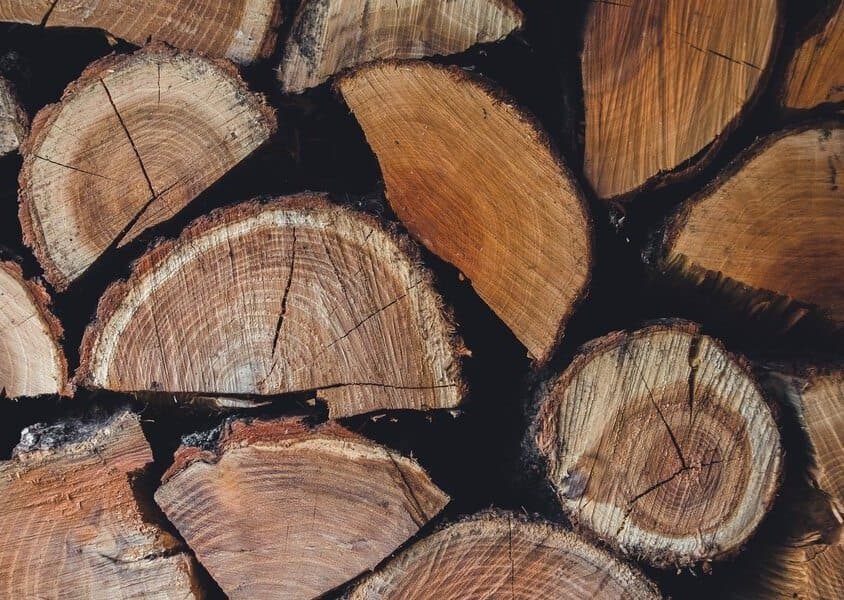
Manage moisture
Water is timber's main enemy. Keep gutters and downpipes clear so rainwater is not running over external joinery, make sure window cills shed water, and address damp promptly. Indoors, sudden swings in humidity cause timber to move, split and loosen at the joints.
Look after the finish
A sound finish is what protects the timber underneath. Keep painted and waxed surfaces maintained, and recoat before the finish fails rather than after. For external joinery, catching flaking paint early prevents water reaching the wood.
Catch decay early
Press suspect areas — soft, spongy timber means decay has started. Caught early, a small section can be spliced or consolidated with a resin repair, keeping the original piece. Left too long, the repair becomes far larger.
When something does need attention, repair almost always beats replacement: a loose joint, a worn turned foot or a decayed cill can usually be put right by hand, keeping the piece original.