Accoya vs Sapele for Timber Windows: Honest Guide
By Daniel Fitzpatrick, Master Craftsman · Guild of Master Craftsmen
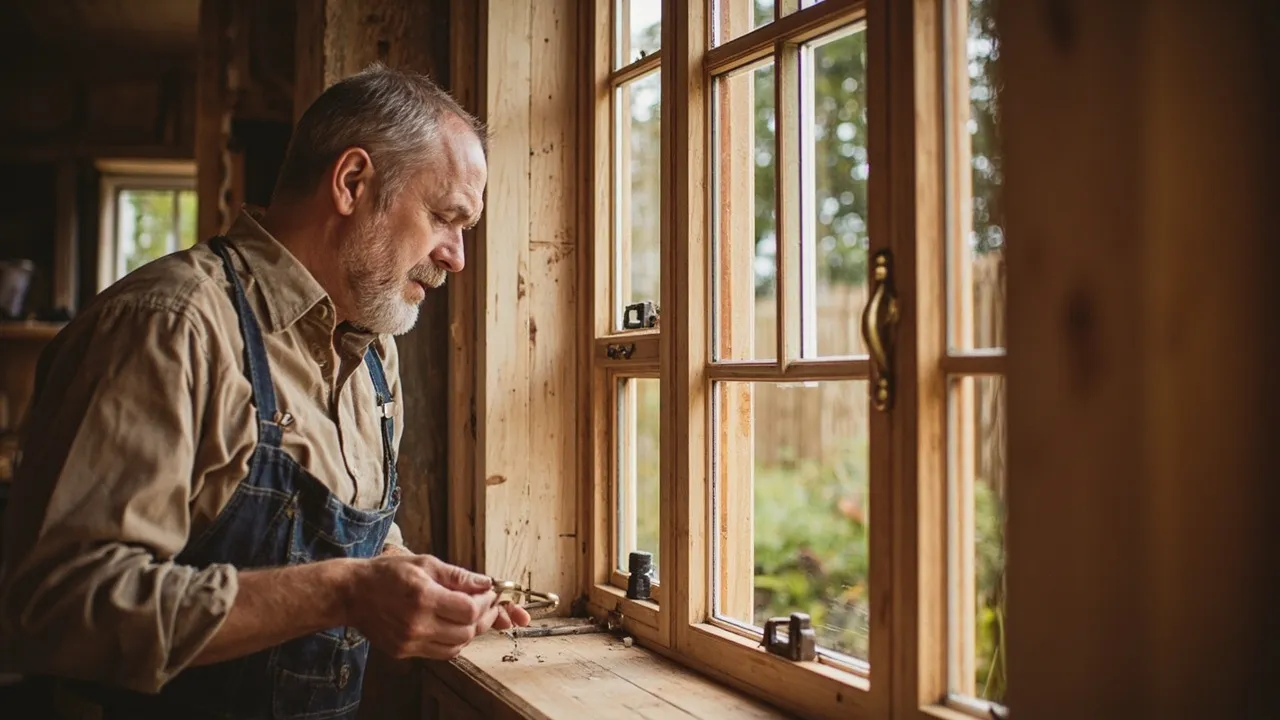
Quick answer: Accoya vs Sapele for timber windows
For Accoya vs Sapele for timber windows, Accoya wins on rot resistance and stability, while Sapele wins on price and the rich, mahogany-like appearance that suits heritage work across Britain.
The honest choice depends on whether the frame will be painted or stained, and whether the project sits inside a conservation area.
Accoya is a modified softwood (radiata pine) treated by an acetylation process that alters the wood cell walls, pushing its durability into EN 350 Class 1 and earning a 50-year guarantee against rot from the manufacturer. Sapele is a tropical hardwood from West and Central Africa, classed at EN 350 Class 2 to 3, with an expected service life of roughly 35 to 45 years when maintained.
In practice at our Crossley Mills workshop, the decision rule is simple. If the brief calls for a painted sash window in a cold, wet elevation (north-facing stone cottages, Yorkshire Dales outbuildings), Accoya gives our joiners a stable, predictable blank that holds coating longer. If the conservation officer wants a stained finish that reads as traditional mahogany on a Georgian terrace or chapel, Sapele is the right call, provided we check the FSC chain of custody for every board we order.
Cost reflects that split. Sapele sits in the mid-to-high tier, generally below oak and Accoya, while Accoya carries a 15 to 25% premium for the modification and the 50-year guarantee that comes with it.
- Pick Accoya for painted windows, exposed elevations, and long warranties.
- Pick Sapele for stained heritage joinery, deeper tone, and lower upfront cost.
- Check conservation officer stance before specifying either in a listed property.
The next section looks at the disadvantages of Accoya in honest detail, because the marketing claims deserve scrutiny before any spec sheet is signed.
Common questions about Accoya vs Sapele for timber windows
Which is better, Sapele or Accoya?
Neither wins outright. Accoya leads on rot resistance and dimensional stability, while Sapele wins on authentic appearance and lower upfront cost.
For painted sash or casement windows in exposed locations, Accoya's Class 1 durability and 75% reduction in swelling make it the safer long-term choice. For stained replacements in conservation areas where a mahogany colour is wanted, Sapele is the better match. Timber windows in Wetherby and across Yorkshire often lean on this same rule of thumb in our day-to-day spec sheets.
What are the disadvantages of Accoya wood?
Accoya carries a 15-25% price premium over Sapele and offers no real grain for staining, so painted finishes are practically mandatory.
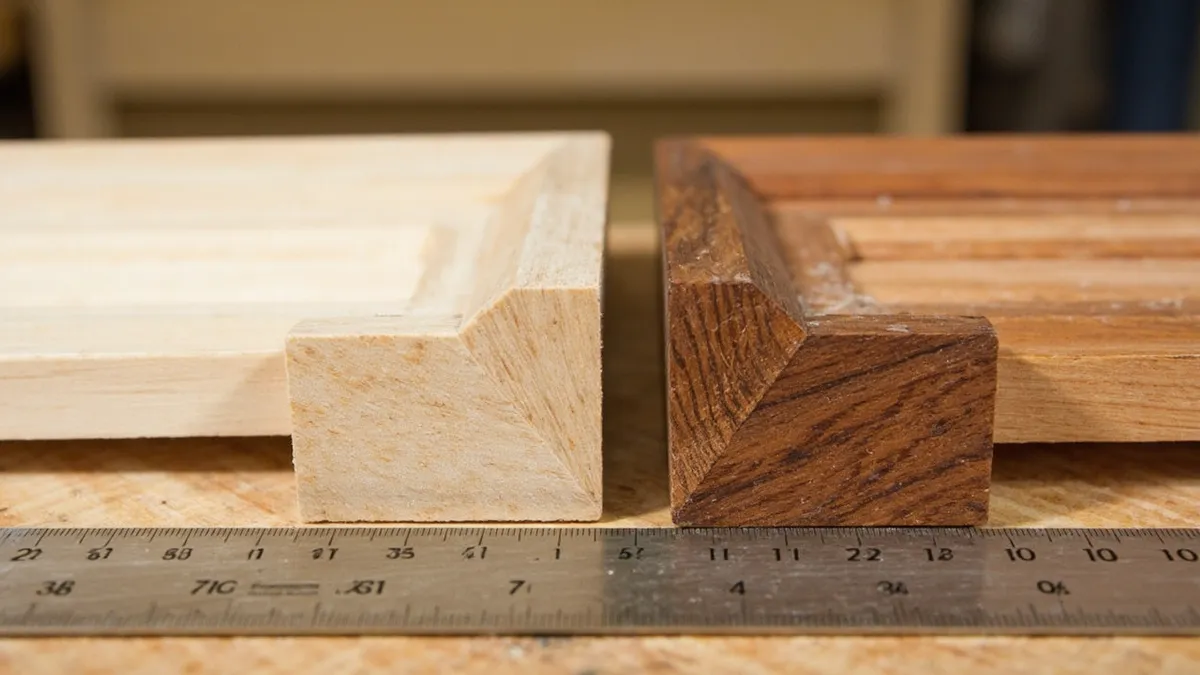
Some conservation officers still treat modified timber on a case-by-case basis, which can slow listed building consent in Yorkshire for windows. A handful of joiners also report brittleness at thin sections, though our own experience at the Crossley Mills workshop, backed by 30+ years of single-craftsman expertise, has not shown this in standard window sections.
What is the best timber for windows?
For most UK windows the honest answer is: the best timber is the one matched to the finish and the building's heritage status.
Painted work benefits from Accoya. Stained work suits Sapele, oak, or idigbo. Period properties often accept oak or Sapele more readily than modified softwoods. Iroko and Teak are dense tropical options that crop up on coastal or high-wear elevations, while pine remains a workable budget option for internal joinery, and Meranti fills the mid-market stained bracket for larger casement runs.
What are the disadvantages of Sapele wood?
Sapele rates EN 350 Class 2-3, not Class 1, so its expected service life (35-45 years) is shorter than Accoya's.
Its interlocked grain blunts cutters, splits when fixing, and its reddish tone darkens noticeably within five years of UV exposure. Chain-of-custody documentation is also essential: uncertified Sapele remains a known sustainability risk.
Send your window survey or elevation drawings to our contact page or call 01484 666 333, and we will quote Sapele, Accoya, or oak options against the same specification.
Your Next Step: Specify the Right Timber With a Heritage Specialist
What Are the Disadvantages of Accoya and Sapele Wood?
Accoya carries a 15–25% price premium over comparable hardwoods, and some joiners find the modified fibre brittle when cutting fine mouldings by hand. The acetylation process uses acetic acid, and a minority of fitters report paint-adhesion issues if the timber is not fully acclimatised and primed correctly. Sapele, classed at EN 350 durability 2–3, moves more in damp British winters than Accoya does, and its interlocked grain blunts cutters quickly during machine profiling. Long lead times for FSC-certified Sapele can run 8–12 weeks, and supply-chain scrutiny is essential because illegally logged stock still enters the UK market.
When to Use Our Timber Window Restoration Service
Choose our restoration service when the original sash or casement frame is structurally sound, the mouldings are historically significant, and the property sits within a conservation area or under listed-building consent. Historic Joinery Yorkshire brings 30+ years of single-craftsman expertise to every project, with Daniel Fitzpatrick's bench at Crossley Mills near Holmfirth hand-repairing rot, replicating lost sections from matching reclaimed stock, and retaining every surviving piece of original timber. We handle windows restoration in listed buildings across Yorkshire, from wooden windows in Wetherby to sash repair work on York terraces. Send photographs, approximate dimensions, and the property's grade to enquiries@historic-joinery-yorkshire.co.uk, or call 01484 666 333 to arrange a site visit across Yorkshire and the north of England.
Sources
- Sapele vs Accoya: Comparing Solid Wood & Modified Timber, East Bros
- Accoya vs Hardwood Windows | Which Timber Is Better? | Prime Sash Windows
- Sapele and Accoya Wood Doors And Windows | Ventrolla
- Accoya vs Hardwood, how to choose timber windows
- Why We Prefer Sapele Timber Over Anything Else, Landmark Windows & Joinery
- Best Wood for Sash Windows | Accoya, Oak, Sapele Or Redwood?
- Hardwood Windows: Oak, Accoya & Meranti Compared
- Best Wood for Sash Windows | Accoya, Oak, Sapele Or Redwood?