Best Timber for Exterior Oak Casement Windows | Guide
By Daniel Fitzpatrick, Master Craftsman · Guild of Master Craftsmen
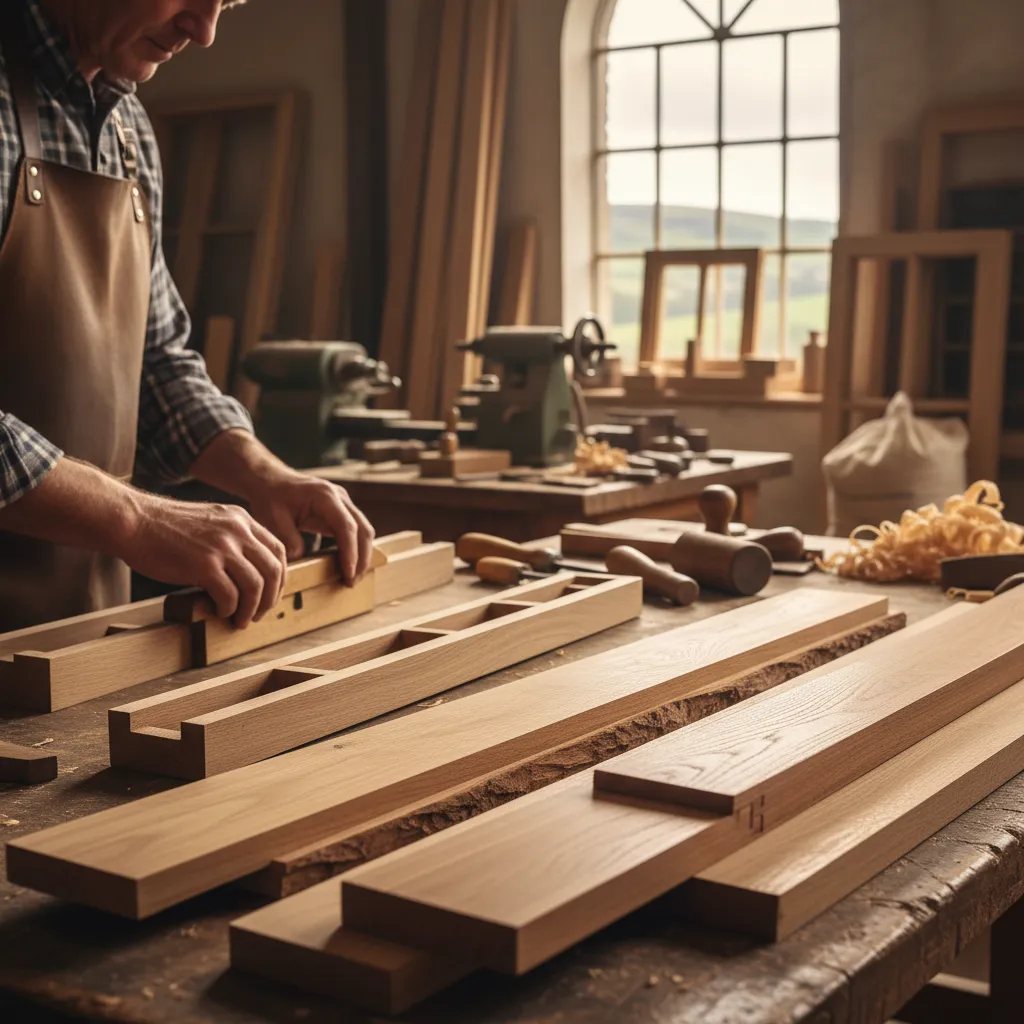
Quick Answer: Best Timber for Exterior Oak Casement Windows
European Oak is the best timber for exterior oak casement windows on heritage or listed properties where period authenticity matters. For modern replacements, Accoya or Sapele will out-perform oak on movement and paint retention.
For most UK homes, pick the species to match the wall, not the brochure. Exposure, listing status, and elevation should decide the order.
Why Oak Earns Its Place
European Oak has framed British casements since the 1600s, and our bench workshop at Historic Joinery Yorkshire still turns oak cills and jambs for Grade II work across the region. At around 720 kg/m³, oak carries a class 2 durability rating: a well-maintained casement can serve 60 to 80 years before a major splice repair is needed. That track record is why conservation officers accept it as the default on heritage elevations.
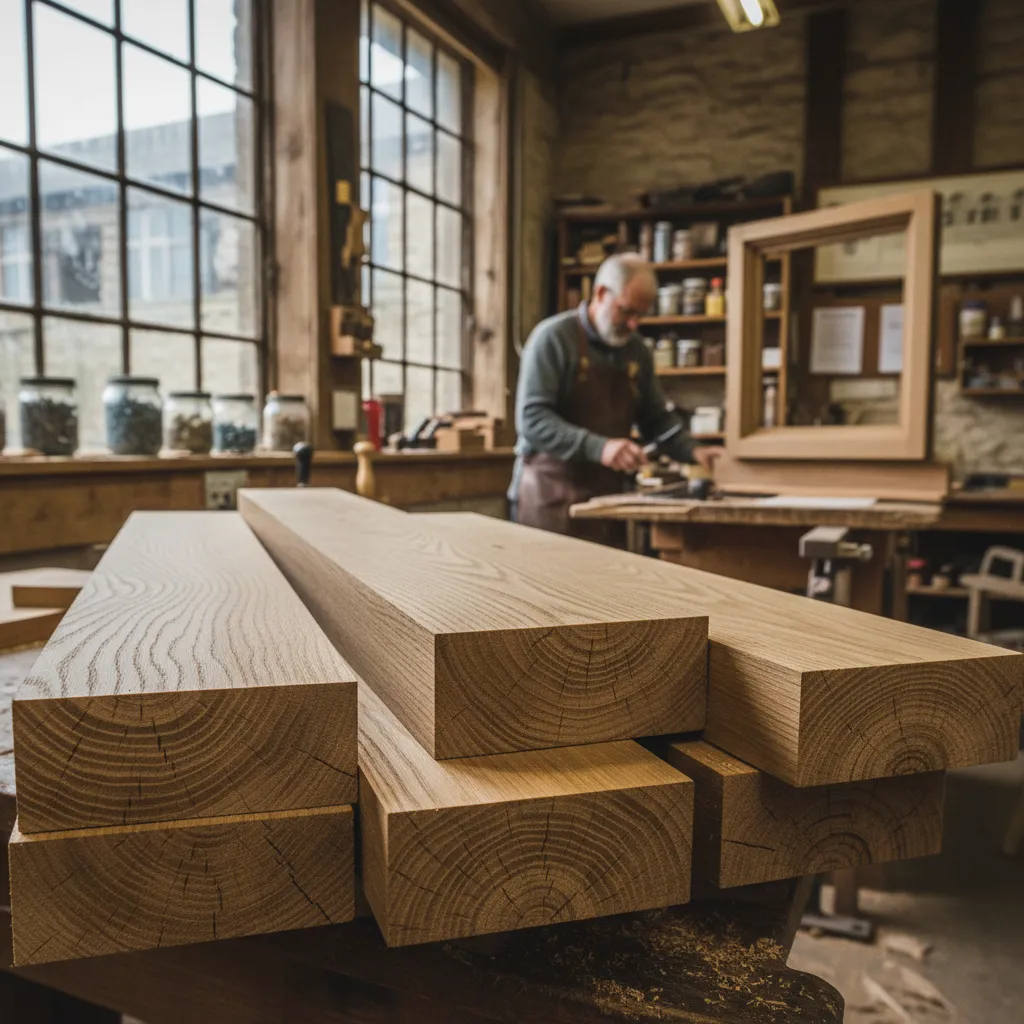
The Honest Trade-Off
Oak moves with humidity. On a casement with a 2 to 3 mm weather-strip tolerance, that movement causes sticking in winter and gaps in summer. We have re-hung 1890s oak casements in Holmfirth cottages where the original frames had bowed 6 mm across the stile after a decade of unprotected south-west exposure. The same movement is why we now recommend Accoya or Sapele on exposed gables as a routine call.
When to Choose an Alternative
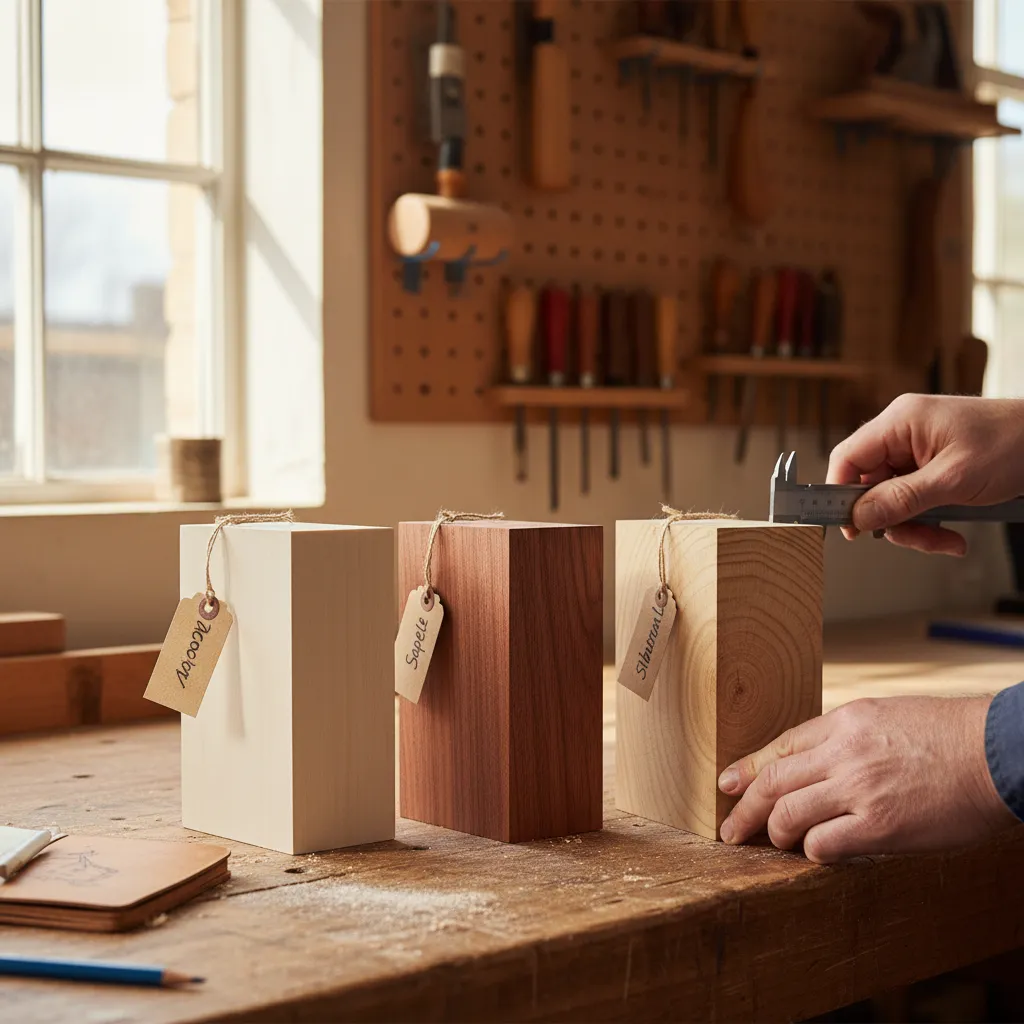
Accoya, Sapele, and Red Grandis beat oak on stability by a measurable margin. For a coastal North Yorkshire site where we replaced three storm-damaged casements in March 2025, Accoya was the right call: its acetylation process holds movement under 1% across the grain. Siberian Larch also performs well on exposed elevations where a painted finish is not required, and Canadian Red Cedar is worth considering for cladding-adjacent frames where a warm tone and natural decay resistance matter.
The Craftsman's Rule
Match the timber to the exposure and the joint, not the brochure. An oak casement on a sheltered elevation with deep overhangs will outlast its owner. The same oak on an exposed gable will need attention within fifteen years, regardless of how well it was made.
What Type of Wood Is Best for Exterior Window Frames?
European Oak is the traditional first answer for exterior casement windows on heritage properties. Accoya, Sapele, Red Grandis, Siberian Larch, Canadian Red Cedar, and Idigbo are stronger alternatives where exposure, stability, or paint grade drive the decision.
Durability Classes and How to Read Them
European Oak sits in durability class 2. Its heartwood resists decay for 15 to 25 years in typical UK ground-contact conditions. Accoya is class 1. Sapele and Idigbo range from class 2 to 3. Untreated European Redwood is class 4. Lower numbers mean longer natural service life; class 1 timber is the safest bet where moisture cannot be fully controlled.
Rot Resistance and Weather Performance in the UK Climate
For most UK elevations, class 2 timber performs well when the cill projects past the wall and drips correctly. Oak, Sapele, Idigbo, and Accoya handle our wet-dry cycles; European Redwood and standard pine need a protective overhang and regular recoating to stay sound. In exposed coastal or high-rainfall districts near Holmfirth, we lean toward Accoya or Sapele because they absorb less water and hold their dimensions through damp Yorkshire winters.
Sapele vs Accoya: Which Is Better for Casement Windows?
Sapele is the better choice for traditional casement windows where tight tolerances and a warm reddish tone matter. Accoya is the better choice where near-zero movement, longer warranties, and a painted finish take priority.
Stability, Movement and Tolerance for Precision Joinery
Both timbers resist rot in exterior use. Accoya's acetylation process holds movement to around 1% tangential shrinkage across its service life, so ironmongery rebates and weather-stripping kerfs keep their geometry through British winters. Sapele sits closer to 2%, enough to make a hand-fit casement bind in October after a dry August if the section was cut green.
For period properties on the workshop list, Sapele also machines cleaner through the bench tools used for stub mortice and tenon joints. That matters when a mullion must close against a transom within half a millimetre.
Cost, Finish and Long-Term Maintenance Trade-Offs
Accoya runs roughly 30% to 40% more per cubic metre than Sapele in the current UK market. That is a real difference across a full house of casement windows. Sapele takes stains and translucent finishes readily, while Accoya's pale, uniform surface suits painted microporous systems on heritage facades where the original character was painted rather than oiled.
Recoat intervals run similar at seven to ten years for either species when properly detailed. The trade-off is simple: pay more for Accoya's near-zero movement and longer warranty windows, or choose Sapele for its warm tone and lower upfront cost on a paint-grade restoration. Call 01484 666 333 for a species recommendation on your specific elevation.
Choosing the Right Timber: What to Use, What to Avoid
Softwood vs Hardwood: A Practical Comparison
Hardwoods generally outperform softwoods on durability and weather resistance, but the gap narrows once proper design and detailing come into play. European Oak scores class 2 durability and resists rot for decades, yet it moves with humidity, which can leave casement sashes binding. Accoya, Red Grandis, and Sapele hold their dimensions more reliably across the seasons, which matters more for moving sashes than raw rot resistance.
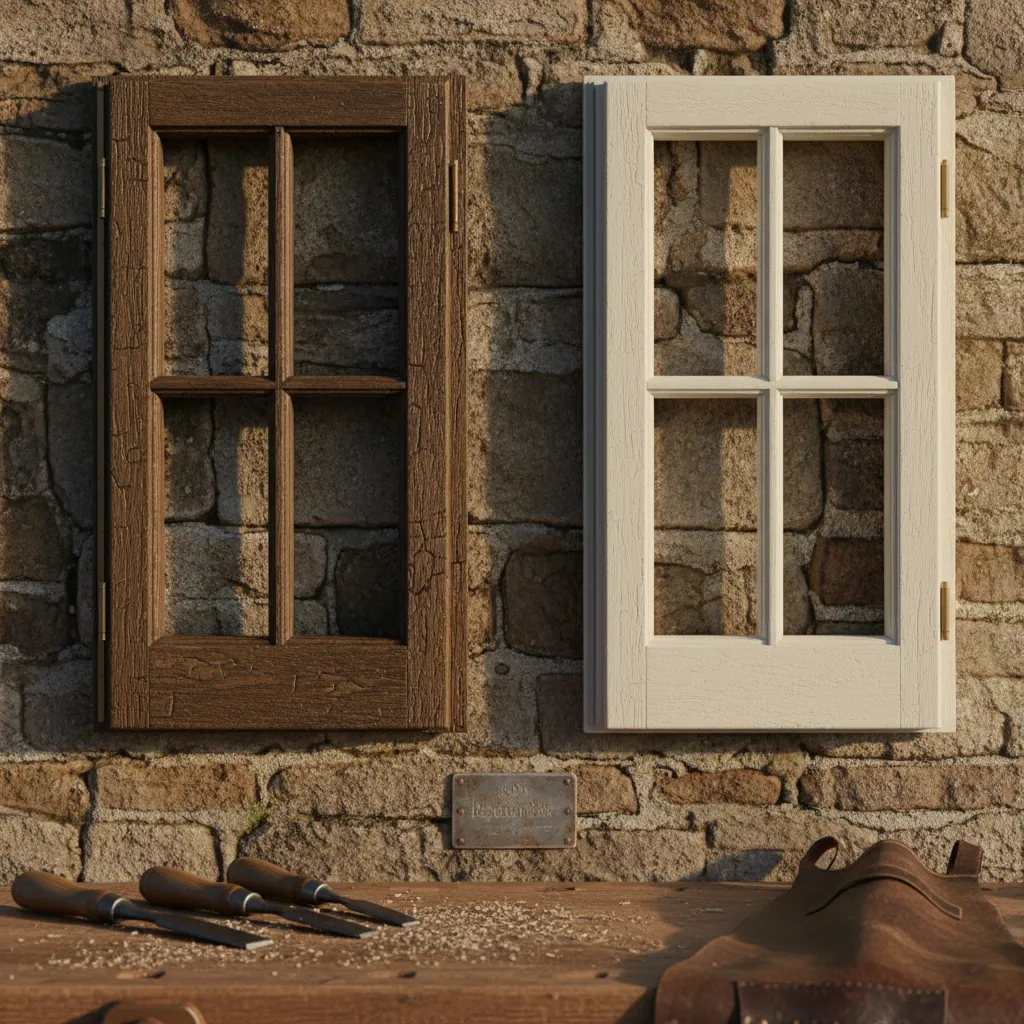
Softwoods like European Redwood work on sheltered elevations where a generous cill projection sheds water, and cost roughly half a hardwood frame of the same size. Siberian Larch bridges the two groups: a softwood with class 3 durability that handles exposed faces when detailed correctly. In our Crossley Mills workshop, we have replaced 1920s oak casements that rotted at the cill junction on exposed walls, while matching frames on sheltered gables survived intact. That is why we size the timber to the elevation, not to a price list.
Solid Oak, Engineered Options and FSC-Certified Sourcing
Solid European Oak remains the heritage first choice for restoration work on listed buildings, particularly where original sections must be matched. Engineered sections, such as laminated Accoya cills, give the same period profile with better movement control and suit exposed coastal elevations or properties without deep eaves.
Every timber we specify carries FSC certification or a documented chain of custody. Where possible, we draw from local reclamation yards to match original character. The honest trade-off: oak offers authenticity and longevity but demands precise detailing; engineered Accoya or Red Grandis offer stability and easier maintenance, with no visible difference once painted.
Request a species-and-section comparison for your specific elevation by emailing enquiries@historic-joinery-yorkshire.co.uk with photos of the existing frames.
Choosing Timber for Traditional Casement Windows: Components, Styles and Sourcing
Cills, Jambs, Mullions, Transoms, Stiles and Rails
A casement window is a frame of named parts, each carrying a different load. The cill is the horizontal board at the base that sheds rainwater away from the wall. Jambs are the vertical sides, mullions divide the frame into separate openings, and transoms cross them horizontally. Stiles are the outer uprights of each sash, with rails running between them at top and bottom.
European Oak is a traditional choice for cills because it resists rot where water collects, but the same oak around a tight-tolerance casement moves with the seasons. We routinely specify Accoya or Sapele for stiles and rails where dimensional stability keeps the sash closing cleanly year after year.
Flush vs Stormproof Casements and Traditional Joints
A flush casement sits level with the frame, the shutter closing flat across the opening. A stormproof casement uses a lipped edge that overlaps the frame, throwing water clear of the joint and giving a tighter seal against driving rain across much of the UK.
Both styles rely on mortice and tenon joints, glued and pegged with hardwood drawbore pins, so the frame can be taken apart for repair decades later. The pegs matter as much as the timber: a glued joint without pegs cannot be dismantled when a cill eventually needs replacement.
FAQ: Common Questions About Timber for Casement Windows
What Is the Best Timber for Window Frames?
European Oak is the traditional first answer for heritage casement windows because it is a class 2 durable hardwood that resists rot and carries the grain pattern conservation officers expect on listed buildings. Its density gives decades of service on a sheltered south elevation, but that same density makes it prone to swelling and shrinkage across seasons, which can leave a tight casement binding in its frame. For most restoration work at Crossley Mills, we pair oak frames with sections cut from well-seasoned quarter-sawn stock and finish them with a microporous paint system that lets the timber move without splitting.
How Long Should Timber Windows Last and How Often Do They Need Recoating?
A well-fitted oak casement window, kept paint-sealed and out of standing water, routinely reaches 60 to 80 years before any major splice repair is needed. Accoya frames on the same elevation often push past that mark. Recoating is the smaller commitment: a microporous paint system wants a fresh topcoat every 5 to 7 years on exposed faces, with a quick inspection of the cill and glazing beads each autumn. Skipping that five-year check is the fastest way to turn a 70-year window into a 20-year one.
Where Can I Find Experts in Traditional Joinery for My Home Renovation?
Homeowners searching for where can i find experts in traditional joinery for my home renovation? typically need a single craftsman rather than a sales-led national firm. Historic Joinery Yorkshire offers 30+ years of single-craftsman expertise, with Daniel Fitzpatrick personally quoting, making, and fitting every casement. We serve clients across Holmfirth, Halifax, Leeds, and York, with a workshop open by appointment for material samples and section drawings.
Call 01484 666 333 or email enquiries@historic-joinery-yorkshire.co.uk to scope a survey of your casements.
Speak to a Heritage Joiner About Your Casement Windows
What to Send Through and What to Expect
For a useful first conversation, send photographs of each casement from inside and out, a rough measurement of width and height, and a note on the property's listing status (Grade II, II*, or ecclesiastical). Daniel Fitzpatrick can then judge whether the existing oak sections are salvageable or whether new sash, cill, or jamb members need to be spliced in.
Expect a written quote within five working days, based on the survey information rather than a site visit. Costs for timber casement windows in the UK vary widely: a single handmade casement in European Oak typically lands between £1,400 and £2,200, while the same frame in Accoya or Red Grandis often sits 15 to 25 per cent lower because the boards move less during machining.
Workshop Visits and Consultancy Across the UK
The Crossley Mills workshop near Holmfirth is open by appointment for clients who want to see oak stocks, view finished samples, or discuss joinery details such as pegged mortice and tenon construction. Visits last around an hour and let conservation architects handle section drawings against real timbers. If you need to find skilled artisans for custom furniture using heritage joinery methods, the same bench handles freestanding pieces alongside our casement work.
For listed buildings and church projects across Yorkshire, the Pennines, and wider UK, Daniel carries out site surveys and consultancy visits, usually within a two-hour drive of Holmfirth, with longer-distance work arranged by prior agreement. Clients often ask about joiner services holmfirth, joinery halifax, period property windows leeds, period property windows york, and repairing wooden sash windows; all sit within our everyday workload. Call 01484 666 333 or email enquiries@historic-joinery-yorkshire.co.uk to book a workshop visit or request the consultancy terms. Further background is available on malbrook heritage joinery.
Sources
- Which timber suits wooden windows best
- Picking the ideal wood species for heritage windows ...
- Which species of timber makes the finest window frame?
- Top Timber Picks for Sash Windows: Accoya, Oak, Sapele & Redwood Compared
- Comparing Oak, Pine, and Mahogany for Doors & Windows | Marvin
- Hardwoods Worth Considering for Exterior Frames & Sashes
- Recommendations for window-frame timber?
- Choosing the right wood for windows - FineWoodworking