Draught-Proofing Sash Windows in a Listed Building: A Guide
By Daniel Fitzpatrick, Master Craftsman · Guild of Master Craftsmen
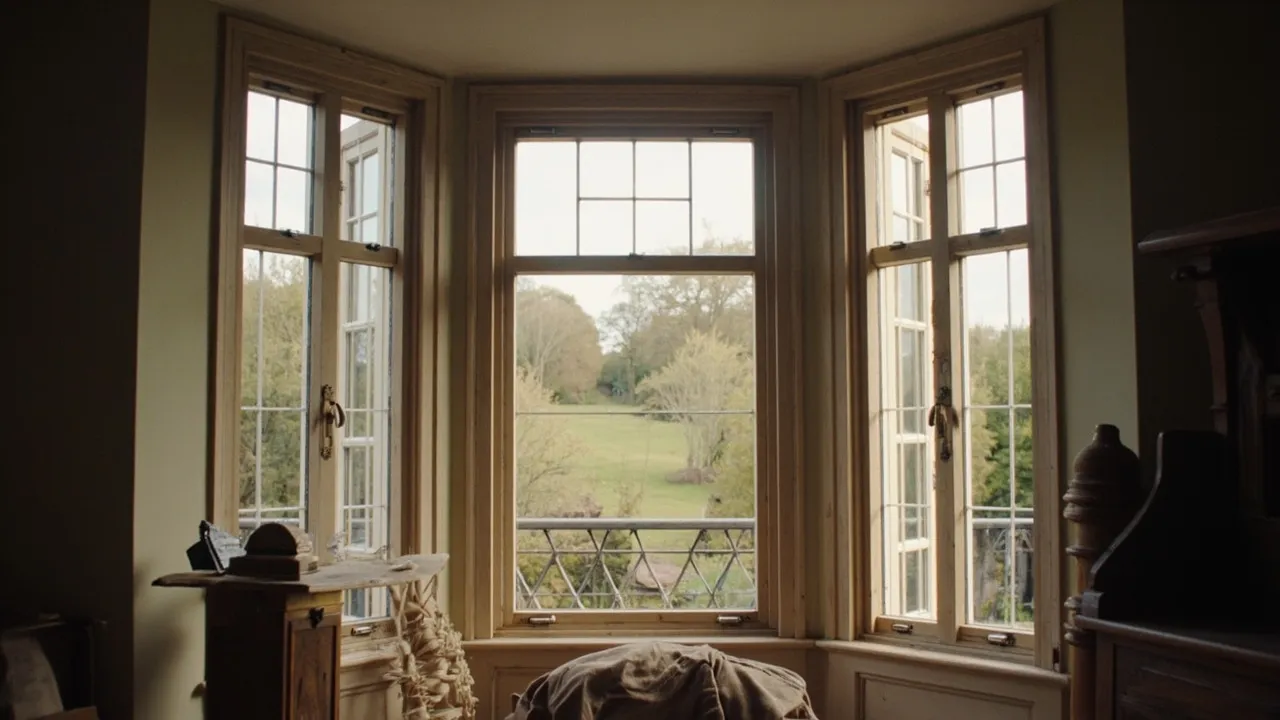
Quick Answer: Draught-Proofing Sash Windows in a Listed Building
Draught-proofing sash windows in a listed building usually needs no Listed Building Consent, provided the seals are reversible and the external appearance is unchanged.
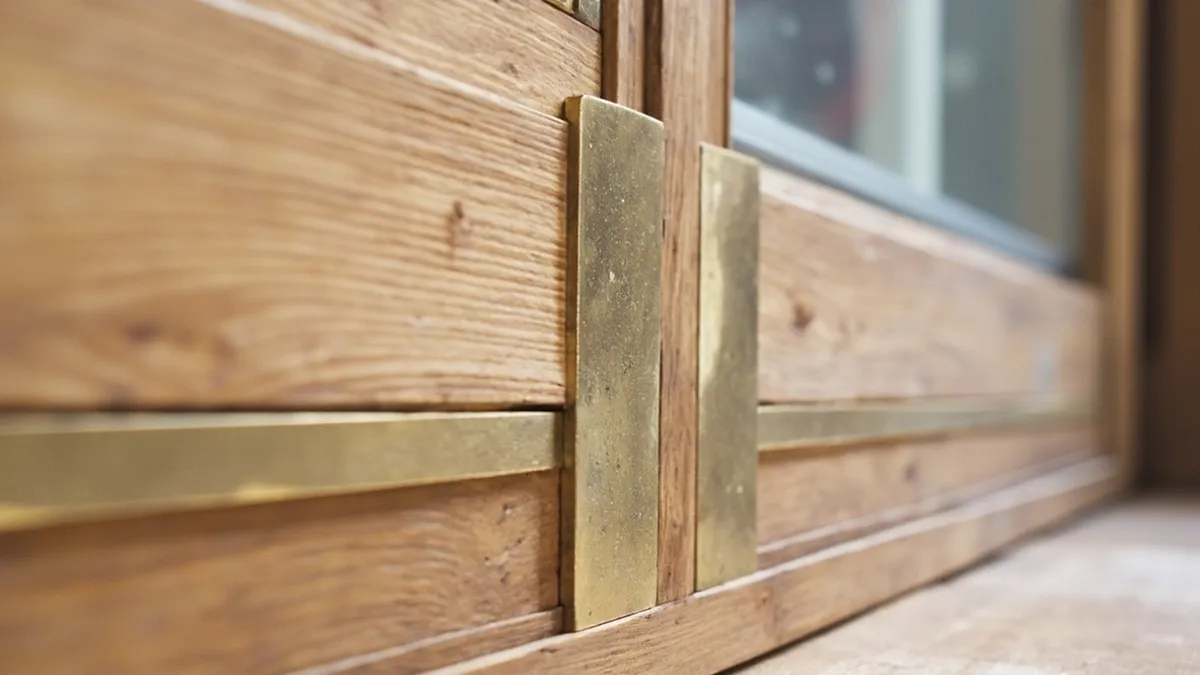
Brush piles, fin seals, and surface-mounted compression strips fall into that low-impact category, while anything that grooves into the timber, swaps the glazing bars, or alters the sightline is more likely to need consent.
How to draught proof a sash window
Survey first: open both sashes, check the staff bead, parting bead, and bottom rail for gaps, and look for perished putty or cracked glazing. Fit a low-impact brush or fin seal to the parting and staff beads, add a jamb seal to the pulley stiles, and drop a slim pile carrier into the bottom rail. Test for rattles before refixing the beads.
Can you replace sash windows in a Grade 2 listed building?
Yes, but only with consent, and only after the conservation officer agrees that repair and draught-proofing cannot achieve a reasonable outcome. Full replacement in matching timber, with like-for-like mouldings and retained original glass where it survives, is the usual route. Slim double glazing inside a retained box frame is now accepted by many local authorities, case by case. For homeowners weighing options, Historic Joinery Yorkshire advises that sash window restoration for listed buildings is nearly always preferred over full replacement where the original timber can be saved.
What are some common problems with sash windows?
Sticking sashes, rattling in wind, water pooling in the bottom rail, broken sash cords, decayed sill ends, and draughty meeting rails are the six we see most often at the Crossley Mills workshop. Each points to a different fix, from cord renewal to splicing new timber into the sill.
What are the best draft excluders for sash windows?
For listed buildings, fin-seal pile carriers and silicone E-gaskets sit inside the existing beads without altering the frame. Brush strips suit the parting bead, while a mushroom-style compression seal handles the meeting rails. Avoid rigid PVC self-adhesive foam: it hardens within two winters and scores the timber.
What to do next
Send a photo of each window, the listing grade, and your postcode for a written assessment and fixed-price quote. Email enquiries@historic-joinery-yorkshire.co.uk or call 01484 666 333 to book the site visit.
Common Questions About Draught-Proofing Sash Windows in a Listed Building
How to draught proof a sash window?
Fit low-impact seals to the moving surfaces: a brush pile or fin strip in the parting bead, a compression strip behind the staff bead, and a slim pile at the meeting rails. Run the window up and down to check the sashes seat evenly, then trim any excess so the timber shuts flush without forcing.
Is it possible to replace sash windows in a Grade 2 listed building?
A complete window swap is seldom given the green light for properties listed at Grade 2, as permission is generally withheld on the grounds that it strips out period glass, shaped mouldings, and hand-worked timber. Conservation officers almost always ask for a faithful repair to be attempted first, and will only sanction fresh sashes fitted into the surviving box frames when the original ones have truly reached the end of their life.
What are some common problems with sash windows?
Rotten sill ends, broken sash cords, rattling sashes, and misted or cracked single glazing are the four faults our workshop sees most often in West Yorkshire. Each one lets cold air in around the meeting rails and accelerates decay if the putty has failed.
What are the best draft excluders for sash windows?
Fin or brush pile seals fitted into the parting bead and staff bead outperform self-adhesive foam on a sliding sash. Foam compresses permanently within a season, while a properly rebated pile strip lasts 8 to 12 years and keeps the original sightlines intact.
Call 01484 666 333 or email enquiries@historic-joinery-yorkshire.co.uk to book a site visit at Crossley Mills within 10 working days.
Next Steps, Costs, and How to Get a Specialist Quote
A sensible starting point is a written assessment of each sash window, covering timber condition, glazing, parting beads, staff beads, sash cords, and ironmongery. That single survey reveals whether simple brush seals and a cord overhaul will solve the draught, or whether sections of rotten rail need splicing first. Costs scale with that finding: a draught-strip-only job on a sound window often lands at the lower end, while a full dismantle, splice repair, and re-cord on a six-over-six Victorian sash typically sits between £500 and £2,000 per window.
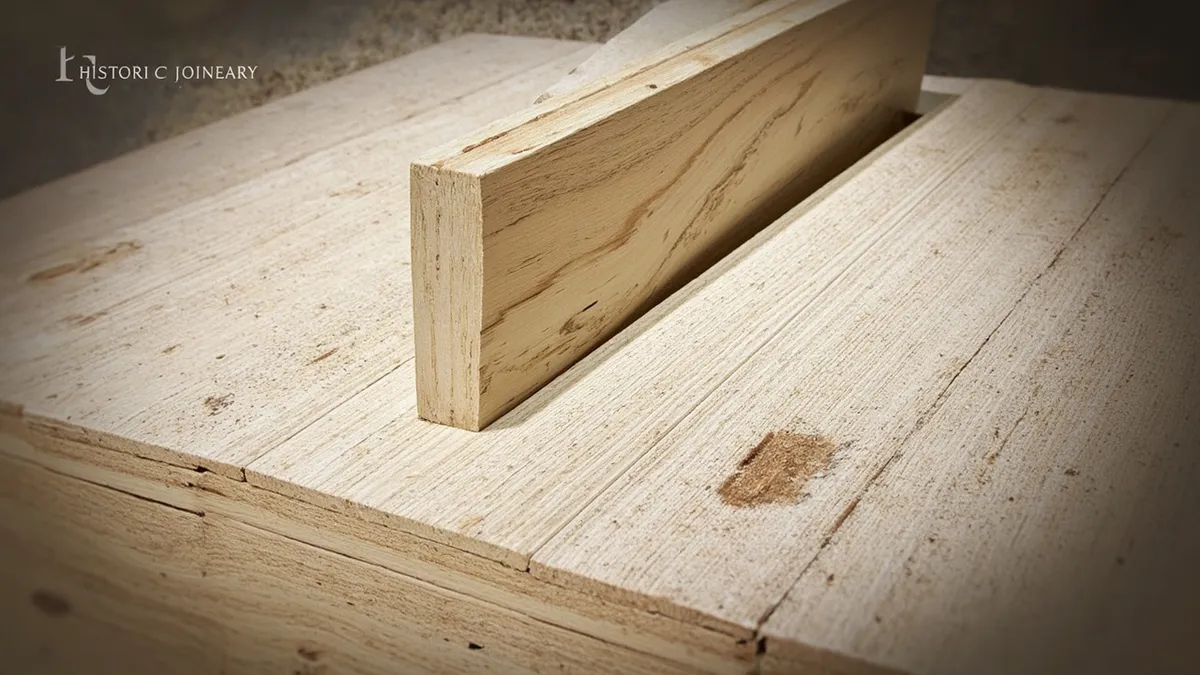
Listed Building Consent is generally only sought when the proposed work changes how a window looks or is built, for instance cutting channels into the existing wood to house a compression seal. Brush strips laid onto the parting and staff beads, together with a brush pile along the meeting rails, are normally considered removable and therefore do not call for formal consent. Applying for listed building consent in Yorkshire for windows follows the same principles set out by Historic England, and English Heritage field trials have logged air leakage reductions of as much as 86% when the draught-proofing is fitted with care.
Before commissioning, ask the joiner three direct questions: which sections of original timber will be retained, whether the glazing bar profile matches the existing, and how the work will be documented for your records. Photographs before and after, plus a short method statement, protect you if a conservation officer asks questions later.
For a fixed quotation tailored to your property, send a few photos and the window dimensions via the contact page, or call 01484 666 333 during workshop hours.
Sources
- Repairing, draught sealing, and double-glazing sash windows in listed properties
- Working example: sealing draughts out of classic sash windows
- Why draught-proofing sash windows pays back more than warmth alone
- Window refurbishment advice for period homes that delivers results
- Changing or restoring sash windows on protected properties
- Adapting heritage windows as part of a retrofit: Historic England
- Window replacement on listed buildings: what conservation officers permit