Sash Window Restoration Grade 2 Listed: A Full Guide
By Daniel Fitzpatrick, Master Craftsman · Guild of Master Craftsmen
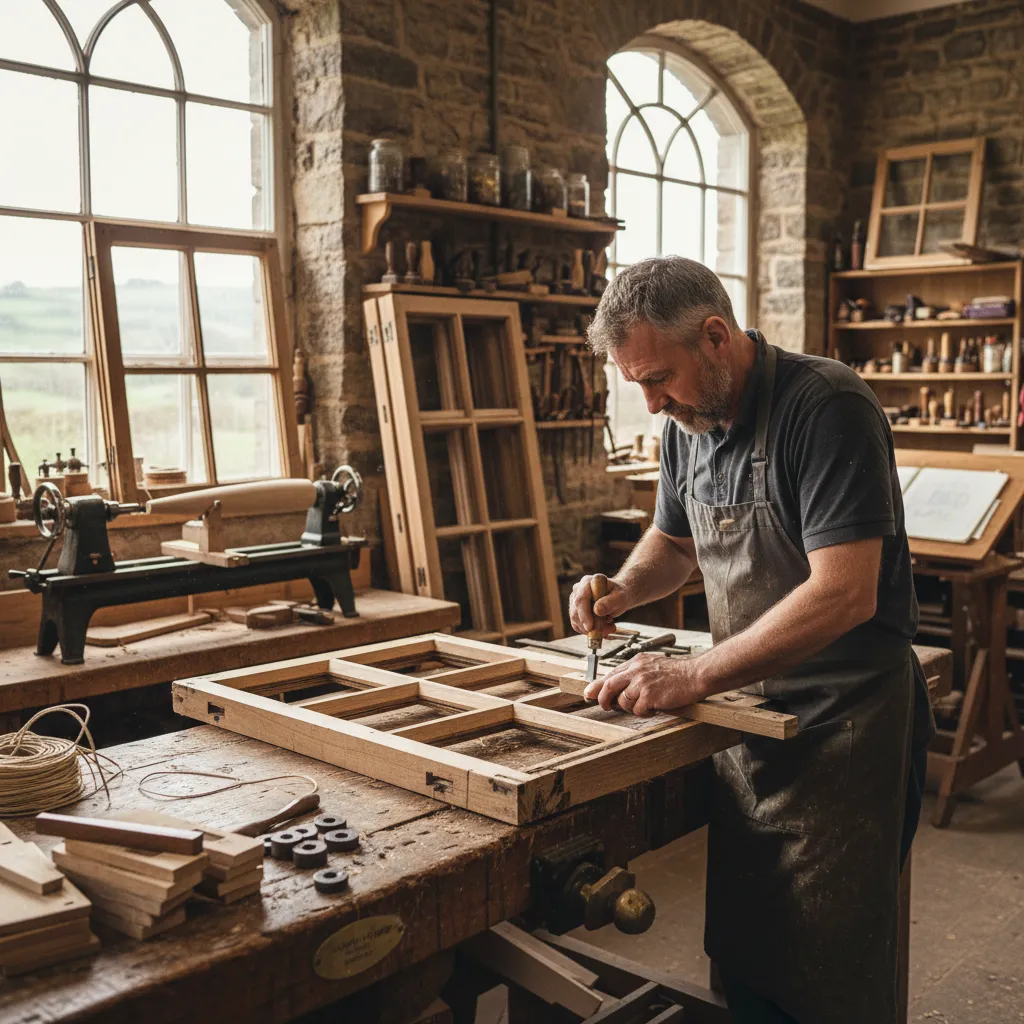
Sash window restoration in Grade II listed buildings: rules, costs, and methods
Sash window restoration in Grade II listed buildings usually counts as like-for-like repair and does not need Listed Building Consent, provided the original fabric, glazing, and profile stay unchanged.
Consent is only triggered when the window's appearance or fabric changes, such as new glazing bar profiles, slim-profile double glazed units, or a full replacement.
This guide sets out the repair threshold a conservation officer applies, the costs typical across the UK, and the workshop methods used by heritage joiners like Historic Joinery Yorkshire to keep original fabric intact. A short call to your conservation officer before any work starts avoids five-figure retrospective fees and keeps your listing intact.
Quick answer: sash window restoration grade 2 listed
Sash window restoration grade 2 listed work usually counts as like-for-like repair and does not need Listed Building Consent. Consent is only triggered when the window's appearance or fabric changes, such as new glazing bar profiles, slim-profile double glazed units, or a full replacement.
What the rules actually say
Replacing rotten sections, renewing sash cords, reglazing to original glass thickness, and draught sealing count as routine maintenance at most local authorities.
What does need consent is anything that changes the window's appearance or fabric: new glazing bars in a different profile, slim-profile double glazed units, alterations to the sash box, or a full replacement window. If you are unsure, a five-minute call to your conservation officer beats a retrospective application that can run into five-figure sums.
Planning permission and Listed Building Consent for sash window restoration in Grade II listed properties
Repairs that usually do not need consent
Most sash window restoration work on a Grade II listed property sits outside Listed Building Consent when the repair is like-for-like. Painting frames, renewing broken sash cords with identical material, splicing in new timber where rotten patches are cut out, overhauling the pulley and counterweight mechanism, and replacing cracked glass with matching-thickness single glazing all fall into this category. Draught proofing with brush pile or silicone seals also counts as maintenance in most planning officers' eyes, because nothing visible from the street changes.

The line is crossed the moment more than a small section of original timber is removed, when glazing bars change profile, or when single glazing is swapped for a thicker sealed unit. If in doubt, phone the conservation officer at the local authority before the joiner lifts a chisel.
When the local authority and conservation officer must be involved
Listed Building Consent becomes necessary the moment the work alters the historic fabric in a way visible from the public realm: a full sash replacement, a change in glazing material, or slim-profile double glazed units. Properties inside a Conservation Area may also face an Article 4 Direction that removes some permitted development rights, so even repainting in a non-matching colour can require a check. The application is made to the local planning authority, with Historic England consulted only on Grade I and Grade II* buildings. Grade II decisions are handled by the council, supported by the conservation officer's written recommendation.
For sash window restoration in Grade 2 listed homes, the rule Daniel Fitzpatrick applies before any quote is confirmed: ask the conservation officer which elements they consider original and significant, then specify every repair in those terms on the method statement. That single conversation saves weeks of back-and-forth once work is on site.
Draught proofing listed building windows without losing original character
Weather-stripping systems suited to heritage sashes
Three low-visibility options work on traditional sashes without altering the visible mouldings. Brush pile woven into the parting bead and staff bead closes the gap between sashes and frame. Routed channels in the sash stops accept a push-fit V-strip that compresses as the sash closes. Flexible Z-strip set into the meeting rails stops the through-draught where the two sashes meet. Each system can be retrofitted to a sound box, and each leaves the original bead profiles in place, which is exactly what a conservation officer looks for when reviewing listed-building work.
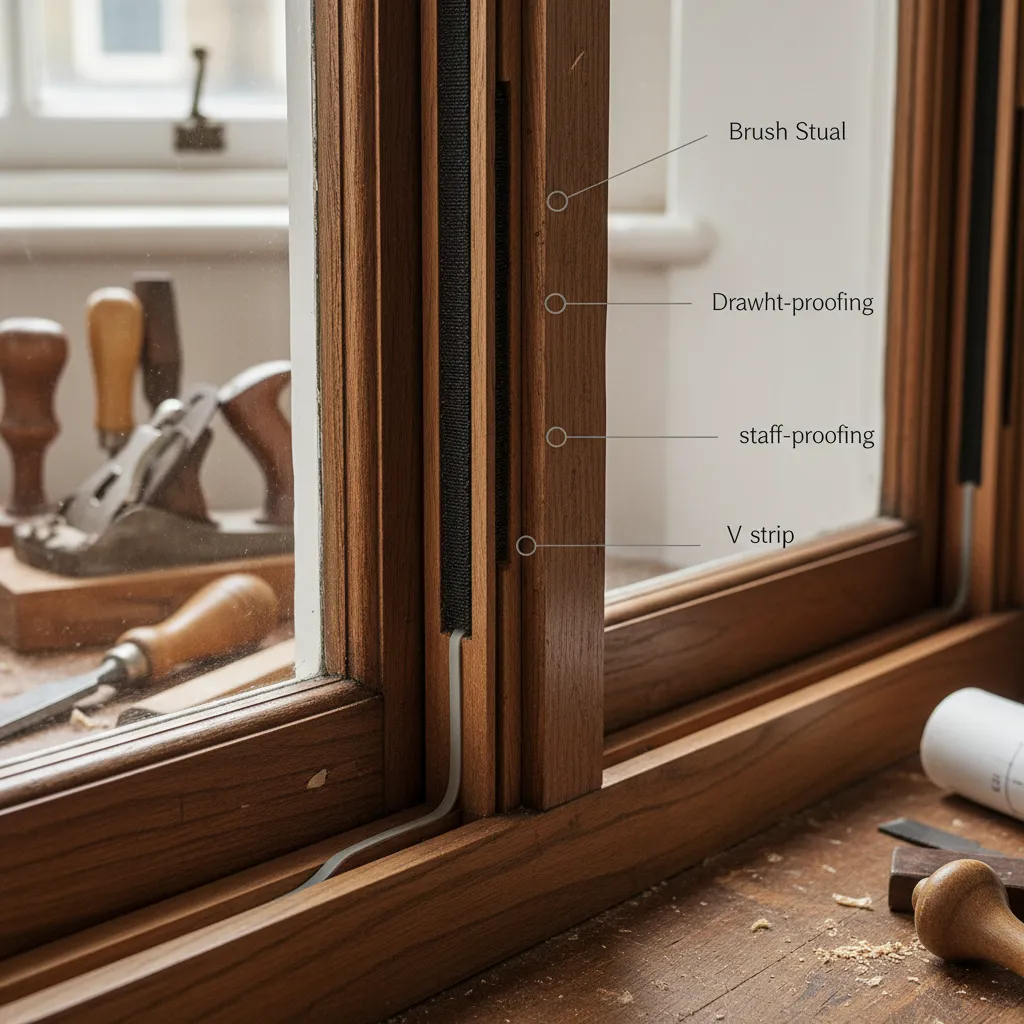
What a discreet draught-proofing upgrade delivers in practice
Our draught proofing typically cuts air leakage enough to remove the cold spot at the window and quiet rattle on windy days, with no visible change from the room side. The trade-off is small: brush pile needs a light brush-clean every two to three years, and cords or balances may need re-tensioning once the draughts are sealed. On a typical six-over-six Yorkshire sash, the work is measured, quoted, and fitted in our Crossley Mills workshop near Holmfirth, then installed on site over a single visit. Sash window painting cost in the UK is held down because the draught-proofing service is done before paint, so the finish goes on over clean, sealed timber rather than over patched-up gaps.
Double glazing versus single glazing in heritage properties
Where slim-profile double glazing is acceptable
Single glazing stays the default for most Grade II listed homes. Slim-profile double glazing has a place, but only where a thin unit (around 11 to 14 mm overall) can sit within the original rebate without altering glazing bars, sash horns, or sightlines. The bench test we use at the Crossley Mills workshop is simple: hold the proposed unit against the existing putty line. If the new thickness forces a deeper rebate or a wider staff bead, the original character changes, and Listed Building Consent is almost certainly needed first.
Where it works well is in secondary glazing, a separate slim unit fitted behind the existing sash, rather than bonded into the original frame. The primary window is untouched, the listing is preserved, and most conservation officers accept this as reversible work, which is why secondary glazing often becomes the practical answer for owners asking about Grade 2 listed windows replacement cost without harming significance.
Why original glass and putty often deserve to stay
Original cylinder glass carries subtle ripples and minor distortions that new float glass cannot replicate. It also tends to be thinner and lighter, which keeps the sash balanced on its cords and prevents the sticking and draughts that heavy replacement glass causes. Traditional linseed-oil putty flexes with seasonal timber movement; modern silicones do not.
If a pane is cracked or lost, splicing in a salvaged pane from a similar-period building keeps the surface honest, and the rebate depth stays correct for the original glazing bars. For owners comparing sash window refurbishment cost against full replacement, keeping original glass is one of the clearest savings: a salvaged pane and a day's careful re-glazing costs a fraction of a sealed unit and its associated consent.
Timber sash window repair and restoration techniques used in the workshop
Splicing and replacing sashes with like-for-like timber
The first decision in our workshop is always how much of the original sash can be saved. Most sashes arriving at Crossley Mills have rot concentrated in the cill, the bottom rail, or the lower corner joints, the areas where water sits longest. We cut back to clean, sound timber and graft in new sections of FSC-certified or locally reclaimed English oak or European redwood, joined with wedged mortise-and-tenon or scarfed joints rather than metal brackets. The same approach applies to casement window frame repair, where the cill and lower rail carry the worst of the weathering.
Full sash replacement is reserved for frames beyond salvage. When we do replace, the new sash is built to match the original in profile, glazing bar mouldings, horn detail, and section size, so the listing significance is preserved. The bench joinery is fully hand-executed, with every moulding turned and shaped on the bench rather than run through a spindle moulder, which is why our 30+ years of single-craftsman expertise, and our Guild of Master Craftsmen membership, show in mouldings that read as original even on close inspection.
Ironmongery, sash cords, and the finishing work that decides longevity
The hardware is treated as part of the heritage, not a consumable. Original brass or cast-iron pulleys, lifts, and sash catches are cleaned, re-bedded, and reused where possible; replacements are cast to the same pattern. Sash cords are specified in natural flax or modern woven nylon of equivalent diameter and load rating, never thin polypropylene that snaps within five years. The same care applies to door refurbishment and furniture restoration on the same property, where original ironmongery and period detail often survive when the timber does not.
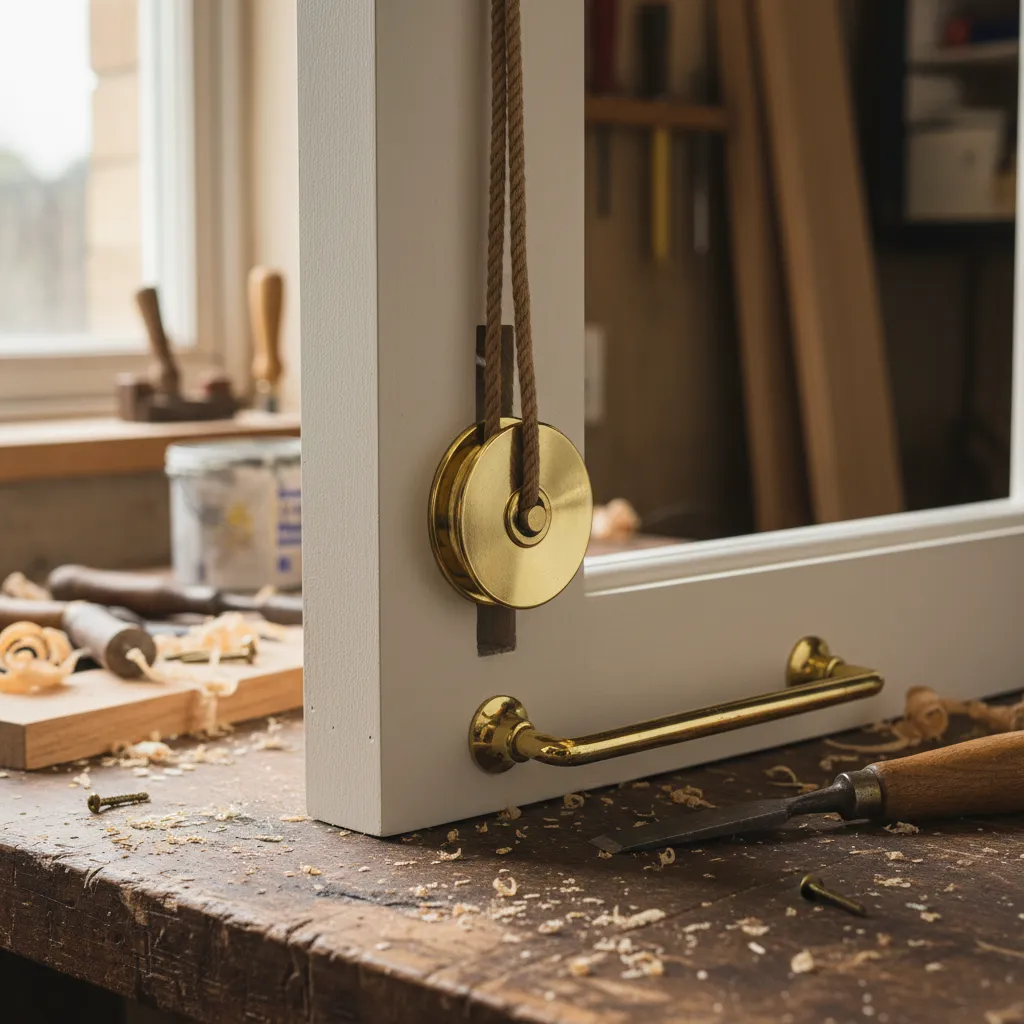
The final week belongs to glazing and paint. We preserve original crown or cylinder glass where it survives and use linseed-oil putty hand-worked into the rebates. A coat of microporous primer, a spray-painted finish, and a four-to-five-year maintenance schedule give the window another generation of service, which is the real measure of a restoration done well.
Sash window restoration cost in Grade II listed homes and what drives it
Typical UK price ranges for refurbishment and full replacement
A straightforward sash window refurbishment in a Grade II listed home typically runs from £450 to £800 per window, covering splicing decayed sill sections, replacing sash cords, easing stuck frames, and re-puttying loose panes. A full like-for-like replacement, where a new sash box is hand-built to match the original mouldings, glazing bars, and horn details, generally falls between £2,200 and £3,500 per window, with London and the South East at the higher end. For owners weighing sash window restoration grade 2 listed cost against replacement, the spread is usually decisive.
The spread reflects three variables: the extent of rot in the sill and lower rails, the condition of the sash box hidden behind the architrave, and whether the original glazing is preserved or renewed. Draught-proofing is usually itemised separately at around £80 to £150 per window. Searching for sash window repairs Chelmsford or sash windows Essex will show comparable bands, with travel and Conservation Area density nudging prices within those ranges.
Trade-offs owners should weigh before deciding
Refurbishment keeps the original timber, the wavy cylinder glass, and the patina that conservation officers look for first. It is cheaper and quicker, but it does not fix a sash box that has been painted shut for forty years or a sill eaten through at the corner.
Full replacement buys you sound timber and modern seals, yet it requires Listed Building Consent, a longer lead time for joinery, and a closer relationship with the local conservation officer. Our rule at the Crossley Mills workshop: if more than 60% of the original timber is sound, we restore. Below that threshold, like-for-like replacement is the honest answer. Owners asking about Grade 2 listed windows replacement cost should also ask about consent time, because a six-week wait for Listed Building Consent can outweigh any saving on the joinery itself. Grants for repair work do exist through some heritage funds, though a Grade 2 listed windows grant is not a standard entitlement and is usually project-by-project, so it is worth raising the question with the conservation officer at the same time as the consent conversation.
The one decision rule from the workshop floor
Daniel Fitzpatrick's working rule at Crossley Mills: if more than 40% of a sash member is rotten, splice it section by section rather than replacing the whole rail. If more than 60% is gone, replace that member outright but keep the box, the beads, and the original glass wherever the putty still holds.
That ratio keeps maximum original fabric in place, satisfies the like-for-like test, and avoids the consent trigger. It is the same logic Historic England sets out in Traditional Windows: their care, repair and upgrading, applied on a joiner's bench. Our heritage joinery and conservation carpentry team uses this rule on every sash that crosses the bench, and it is the single decision that separates a sympathetic restoration from a consent application.
What to do this week
Photograph each sash from inside and outside. Note which sashes stick, rattle, or show daylight around the cill, and check whether your property sits inside a Conservation Area, where an Article 4 Direction can tighten the rules further. Send those notes, your address, and your listed-building entry number to enquiries@historic-joinery-yorkshire.co.uk or call 01484 666 333 to scope a site visit.
Next step: get a considered quote from a heritage joinery specialist
What to send when you make an enquiry
Send clear photographs of each sash from inside and outside, plus a shot of the sill and any visible rot. Note the approximate age of the property, whether it sits within a Conservation Area, and how many windows need attention. A quick floor plan or rough measurements (height, width, and glazing bar count) help us price accurately. Mention any symptoms: draughts, sticking, rattling, water staining, or failed putty.
Include your location and timing. We cover projects across the UK from our Crossley Mills workshop near Holmfirth, and travel costs shift with distance. Ask for the relevant detail early so the quote reflects your building rather than a generic estimate. For owners who started the search with sash window restoration grade 2 listed near me, this is the moment a remote photo assessment usually replaces a paid survey and gets the conversation moving quickly.
How the workshop approaches a first consultation
Daniel Fitzpatrick reviews every enquiry personally. Once photos arrive, he flags whether the work is likely repair or full replacement, and whether Listed Building Consent may be needed. A site visit follows where the project warrants it; a remote assessment works for straightforward refurbishments.
You receive a written quote breaking down joinery, ironmongery, glazing, paint stripping, and any draught-proofing. The quote states timber species, FSC-certified or locally reclaimed sources, and the hand-executed methods we will use. Call 01484 666 333 or email enquiries@historic-joinery-yorkshire.co.uk to start the conversation.
Sources
- Mending or Renewing Windows on a Heritage-Protected Property
- Heritage Window Care and Double Glazing Advice
- Essential Guidance on Doors and Windows in Listed Structures
- A Sash Specialist's Handbook to Restoring Protected-Status Windows
- Fitting New Sashes in Grade 2 Protected Homes
- Adapting Period Windows When Improving Energy Performance | Historic England
- Caring for Doors and Windows in Listed Buildings | Department for Communities
- Maplewood Historic Preservation Commission's Approved Tradespeople