Secondary Glazing in Listed Buildings: What's Allowed
By Daniel Fitzpatrick, Master Craftsman · Guild of Master Craftsmen
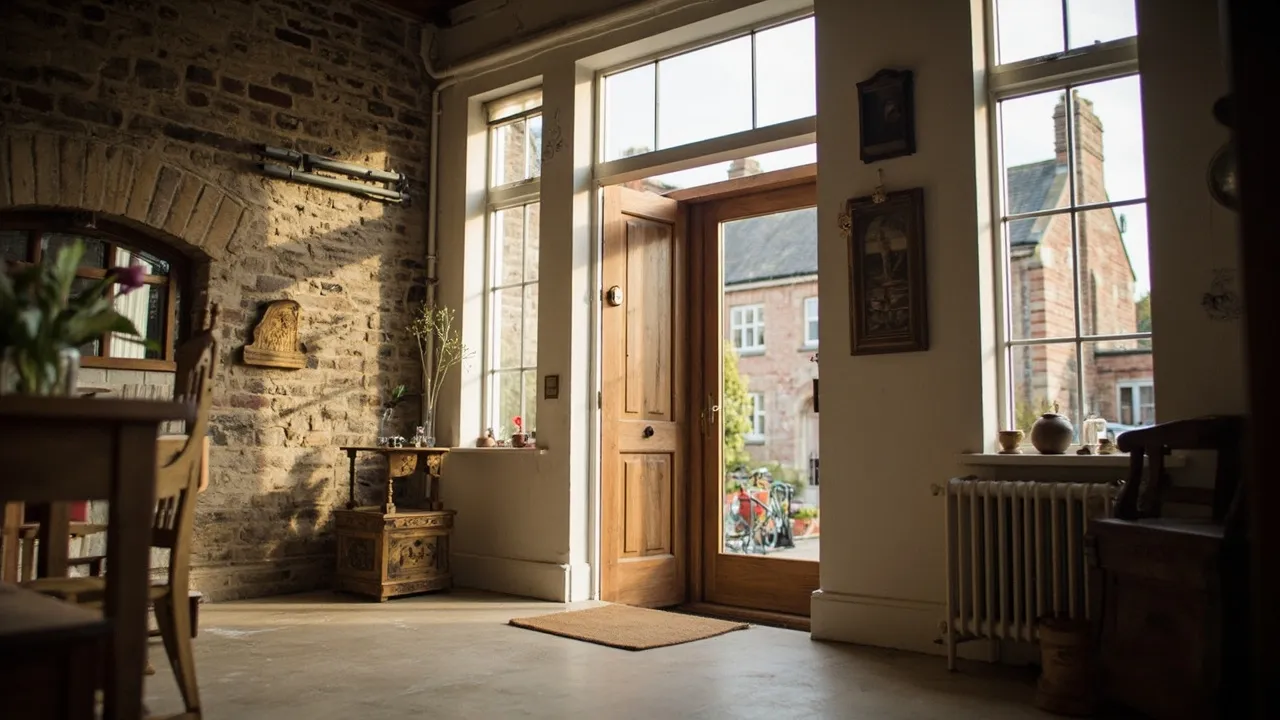
Quick answer: Secondary Glazing in Listed Buildings: What's Actually Allowed
What is the quick answer for secondary glazing in listed buildings?
Secondary glazing in listed buildings is generally allowed without Listed Building Consent because it sits inside the existing window, leaves the original frame untouched, and can be removed without trace. Local Planning Authorities treat reversibility as the deciding test.
The exception is when fitting work damages historic fabric: original sashes, shutters, architraves, or panelling. Touch any of those and you cross from permitted alteration into work that needs Listed Building Consent. Confirm the position in writing with your conservation officer before any installer arrives on site.
What are the downsides of secondary glazing?
Yes, secondary glazing has downsides: reduced natural light, a second frame to clean, and occasional condensation between the panes if the air gap is poorly sealed.
The second pane reduces natural light and can make reveals feel deeper, especially on narrow sashes common in Georgian and Victorian properties. With sliding or hinged units, it also restricts access to the original window for maintenance. In our Crossley Mills workshop we have measured daylight loss of around 10 to 15% on slim Georgian sashes fitted with standard aluminium frames. Slimline secondary glazing keeps the added depth to roughly 24mm and helps limit that loss.
Ventilation needs planning. Seal the room too tightly and you trade heat gain for stale air or trapped condensation between the panes. A trickle vent, or regular opening of the secondary unit, prevents this.
Is it a legal requirement to have double glazing?
No, there is no legal requirement to install double glazing in any UK home, listed or otherwise.
Building Regulations set energy efficiency targets for new build and major renovation work, not for retrofits of existing windows. Listed Building Consent exists to protect historic character, not to enforce thermal upgrades. Historic England's guidance still treats single glazing with secondary glazing as an acceptable way to meet those targets.
What are you not allowed to do to a listed building?
You cannot replace original windows with uPVC, alter glazing bar profiles, remove historic glass, or fix anything to protected timber without Listed Building Consent.
You also cannot bypass consent by carrying out the work and applying retrospectively. Historic England guidance warns that enforcement notices can require full reinstatement at the owner's cost. Painting, draught-stripping the original sashes, and fitting secondary glazing internally are usually fine. Replacing the sashes with modern sealed units is not.
What should you do next?
Send your window photos, the listing entry, and a sketch of your proposed secondary glazing to a heritage joiner for a written opinion on whether Listed Building Consent is needed. Call 01484 666 333 or email enquiries@historic-joinery-yorkshire.co.uk to start that conversation.
Common Questions About Secondary Glazing in Listed Buildings
What are the downsides of secondary glazing?
Yes, secondary glazing has real trade-offs: added depth at the reveal, a second frame to clean, and condensation between the panes if the air gap fails.
Slimline systems reduce the first issue to around 24mm. The trade-off is that you gain thermal and acoustic performance without touching the original fabric, which matters most in Grade II listed buildings where the original sashes carry part of the listed value.
Is it a legal requirement to have double glazing?
No. There is no UK law requiring double glazing in any home, listed or otherwise.
What are you not allowed to do to a listed building?
You cannot alter, remove, or replace any element covered by the listing without Listed Building Consent from your Local Planning Authority.
That includes original window frames, glazing bars, shutters, and sometimes the glass itself. Painting, draught-stripping the original sashes, and fitting secondary glazing internally are usually fine. Replacing the sashes with uPVC is not.
Is secondary glazing a good idea?
Yes, in most heritage cases it is the most sensible route to better energy efficiency and noise reduction.
It keeps the original windows in place, satisfies the reversibility test that conservation officers apply, and avoids the 12-week consent negotiation that full replacement usually triggers. Cost sits well below Listed Building Consent application fees and bespoke slim-profile double glazing.
Frequently Asked Questions and Next Steps
Quick answers on consent, double glazing rules, and listed building restrictions
Secondary glazing in listed buildings is usually allowed without Listed Building Consent because it sits inside the room, leaves original sashes untouched, and can be removed without trace. Double glazing is not a legal requirement in any UK home, listed or otherwise. What you cannot do is replace original windows with modern sealed units, cut into historic frames, or alter protected glazing bars without first securing Listed Building Consent from your Local Planning Authority.
Reversibility is what carries most projects past the conservation officer. Historic England endorses secondary glazing on these grounds, and the same logic applies across Grade I, Grade II, and Grade II* listings, as well as most properties in Conservation Areas.
Speak with a heritage joiner about your windows
Before any work begins, send a photo of each window and a short note about your property to Daniel Fitzpatrick at Historic Joinery Yorkshire. He will tell you within a day or two whether your existing frames are worth retaining, which secondary glazing format suits the opening, and what a conservation officer in your Local Planning Authority is likely to accept.

A 30-minute consultation by phone or email often saves a 12-week Listed Building Consent application, and keeps the original timber, glass, and mouldings exactly where they belong.
Sources
- Secondary Glazing for Listed Buildings: A Complete Guide to Comfort and Conservation Clearview
- Secondary Glazing for Listed Buildings: The Conservation-Approved Solution | S&K Glazing Blog
- Secondary Glazing for Listed Buildings: A Heritage-Friendly Solution – Retro Glazing
- Secondary Glazing for Listed Buildings | Everest Windows
- Installing Secondary Glazing in Listed Buildings | Glaze & Save
- Secondary Glazing Solutions for Historic and Listed Buildings
- Regulations Regarding Double Glazing for Grade I and II Listed Buildings | Abode Insurance
- Secondary Glazing