What Is the Best Timber for Sash Windows? A UK Guide
By Daniel Fitzpatrick, Master Craftsman · Guild of Master Craftsmen
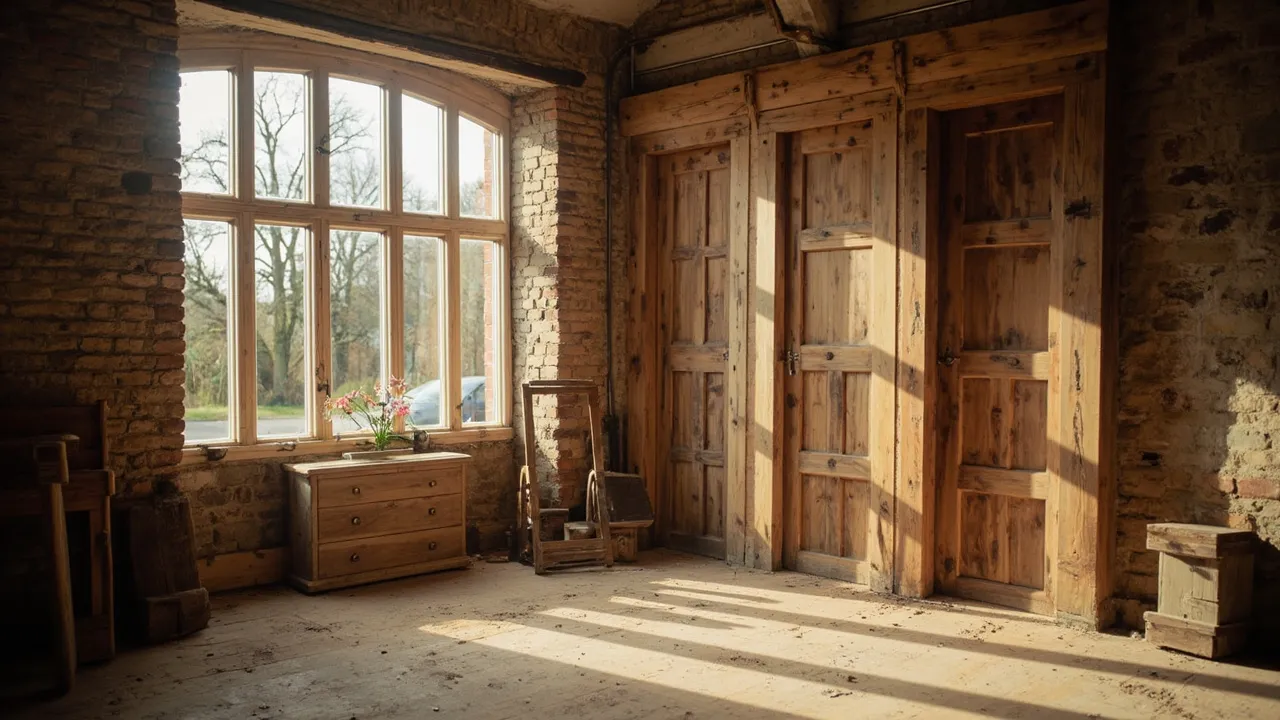
Quick Answer: What Is the Best Timber for Sash Windows?
The short answer for period properties
For most UK period properties, Accoya is the best overall timber for sash windows, offering class-1 durability and near-zero movement.
Sapele is the strongest hardwood alternative where a stained finish is wanted. European Redwood remains the practical choice when authentic replacement on a tight budget matters most. The right pick depends on exposure, finish, and listed-building status rather than a single winner.
At our Crossley Mills workshop near Holmfirth, we match timber to the building rather than the catalogue. A Georgian era townhouse in Harrogate with original paint evidence usually calls for Accoya or Redwood. A Victorian rectory wanting a rich stained interior suits Sapele. That decision rule, building first and timber second, has guided thirty years of sash restoration work across Yorkshire and beyond. This guide covers What Is the Best Timber for Sash Windows? from our workshop perspective.
Which is better, Sapele or Accoya?
Sapele suits stained finishes and traditional hardwood character; Accoya suits painted finishes, maximum stability, and minimal maintenance. Sapele is a West African hardwood in the mahogany family with good rot resistance, though it moves more with seasonal humidity. Accoya is radiata pine softened, then acetylated so the cell walls resist water, giving class-1 durability that outlasts most hardwoods.
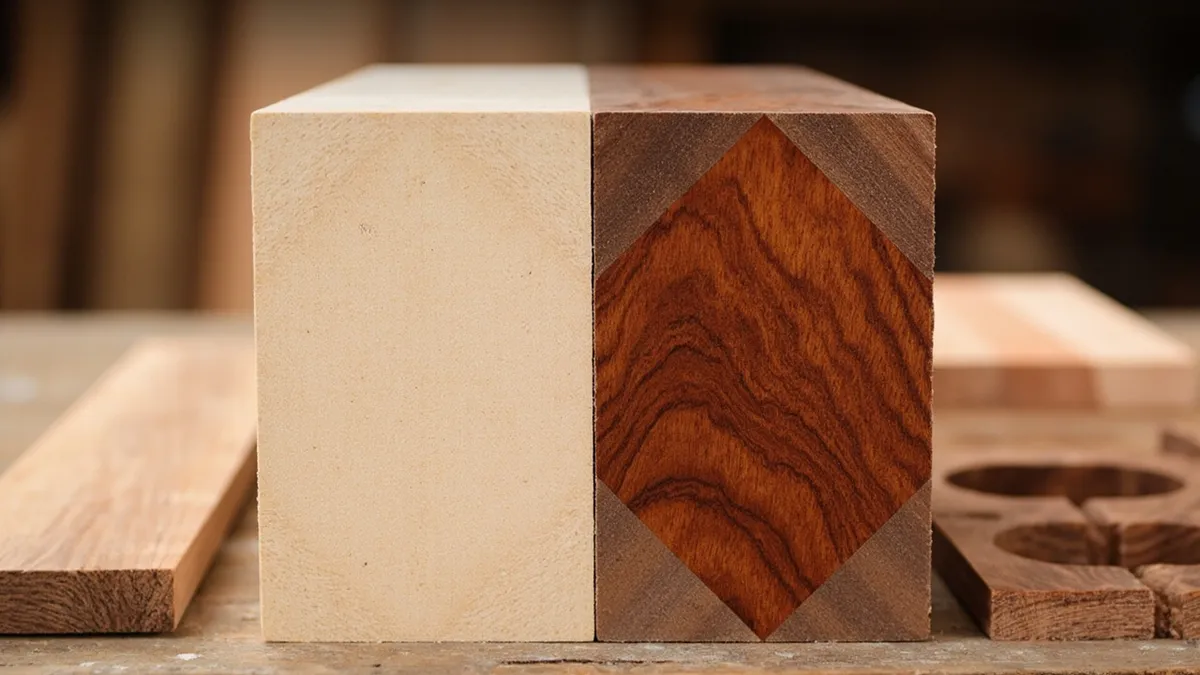
On a damp north-facing elevation we specify Accoya. On a sheltered south face with original mahogany glazing bars, Sapele is the closer match. Both are FSC-certified options stocked at our Holmfirth yard.
What is the standard thickness of a window sash?
A traditional sash uses 35mm for the stiles and rails on a standard domestic window, rising to 45mm or 56mm on larger sashes or heavier glazing. These dimensions match the rebates cut for 4mm single glass or 14mm slim sealed units. They preserve the slender Georgian era profile conservation officers expect on heritage joinery projects.
What materials are used for sash windows?
Sash windows combine timber frames and sashes, glass, sash cords or modern spiral balances, lead or zinc weights, and putty or silicone glazing. Timber is the dominant material for the frame, sill, and sash members, with ironmongery and glass completing the assembly. Species we work with most often include European Oak, Sapele, Accoya, Meranti, Mahogany, European Redwood, Scots Pine, Siberian Larch, and Red Grandis.
Next step
Send photographs of the existing sashes and any listing notes to enquiries@historic-joinery-yorkshire.co.uk, or call 01484 666 333 for a same-week assessment of which timber fits your specific window.
Common Questions About Sash Window Timber
Which is better, Sapele or Accoya?
For most sash windows in the UK, Accoya outperforms Sapele on dimensional stability and rot resistance because the acetylation process replaces free hydroxyl groups with acetyl groups and reduces water absorption sharply. Sapele is a denser African hardwood with attractive ribbon figuring and good durability, yet it still moves with seasonal humidity and can twist in wide sash sections. Accoya carries a 50-year above-ground warranty from the manufacturer and takes paint finishes cleanly, supporting repainting cycles of 8 to 10 years on south-facing elevations. We specify Sapele where a stained hardwood appearance matches the period, such as Edwardian interiors in the Harrogate conservation area.
What is the standard thickness of a window sash?
A traditional box sash uses 32mm thick stiles and rails for the moving sashes, with overall frame depth usually 100 to 125mm depending on the glazing weight. Georgian era sashes on many Yorkshire terraces sit at exactly 1⅛ inch at the meeting rail, while Victorian replacements often fatten to 1½ inch to accommodate larger panes. These proportions are what our heritage joiners match when working on listed building consent in yorkshire for windows.
What materials are used for sash windows?
Sash windows are built from timber for the frame, sashes, glazing bars, and cill, with glass set in linseed-oil putty, brass or stainless sash cord, and cast-iron or spiral-balanced counterweights in the box. FSC-certified European Oak, Sapele, Accoya, Meranti, Mahogany, European Redwood, Scots Pine, Siberian Larch, and Red Grandis are the timbers we most often work with at the Crossley Mills workshop for timber windows wetherby projects and beyond.
What is the best timber for windows?
The honest answer is that the best timber is the one matched to the elevation, finish, and maintenance plan, not a single species. Accoya leads for painted sash windows on exposed aspects. European Oak wins for stained casements where longevity matters more than weight. FSC-certified European Redwood remains the faithful choice for Georgian era restorations where original section sizes must be matched. Send sash dimensions and photos to our contact page for a written timber recommendation.
Speak With a Heritage Joiner Before You Specify Your Timber
What a conservation-focused consultation covers
A consultation at our Crossley Mills workshop near Holmfirth starts with the timber itself. We look at surviving sections of original glazing bars, sills, and meeting rails to identify the species, the cut (quarter-sawn or slab-sawn), and the evidence of early paint or stain. From there we assess how the sash windows have failed: rot at the sill joints, rattling cords, blown glazing, or distortion in the box frame.
Daniel Fitzpatrick then walks you through species options against the building's status. A Grade II Georgian era townhouse in Harrogate often justifies Accoya for its stability over wide cills. A Victorian chapel may call for Sapele where weight and authentic grain matter more than movement budget. Conservation officers read FSC certification and acetylation provenance differently, and we explain how each line reads in a heritage statement. This is the same process our team follows for windows restoration in listed buildings, wooden windows wetherby contracts, and replacement windows for listed buildings in york commissions handled by Historic Joinery Yorkshire.
The final output is a written specification covering timber choice, section sizes, glazing method, paint system, and maintenance intervals. It is the kind of document a conservation officer or heritage architect can act on without further clarification, and one that supports listed building consent in yorkshire for windows applications.
How to reach the workshop for tailored timber advice
Phone the workshop on 01484 666 333 between weekday office hours to book a site visit, or send photos and measured drawings by email for desk-based assessment. Written enquiries go to enquiries@historic-joinery-yorkshire.co.uk, and the full contact form is on our website.
For listed properties in Yorkshire, the Holmfirth workshop handles most initial consultations, including italian heritage joinery commissions and windows for listed buildings in yorkshire enquiries. London and ecclesiastical projects are scheduled by arrangement, typically with two to four weeks' notice during quieter months. A 30-minute call before any site visit lets us bring the right timber samples, including quarter-sawn European Oak, Accoya offcuts, and Red Grandis stock, so decisions happen on the first visit, not the third.
Sources
- Choosing the Ideal Wood Species for Your Sash Windows
- A Timber Buyer's Handbook to Traditional Sliding Sash Windows | Bereco Insights
- Sash Window Timber Choices | Comparing Accoya, European Oak, Sapele and Redwood
- The Complete Handbook to Selecting Timber for Sash Windows
- Sliding Sash Construction - an overview of popular timber choices - Core Timber Guide
- Recommended species for crafting sash windows. - Canadian Woodworking and Home Improvement Forum
- Selecting Appropriate Timbers for Sliding Sash Windows & Doors - Todi & Boys
- Recommended timber for traditional window sashes - Fine Homebuilding