Sash Window Draught Proofing
Draughty sash windows are the most common reason people consider replacing them, and usually the easiest thing to fix. Most of the cold air comes through gaps between the sashes, the beads and the box frame, not through the glass.
We draught-proof original timber sashes by routing discreet brush-pile seals into the sashes and beads, renewing worn parting beads and rebalancing the weights. The window keeps its original look and still slides open, but stops rattling and holds far more heat.
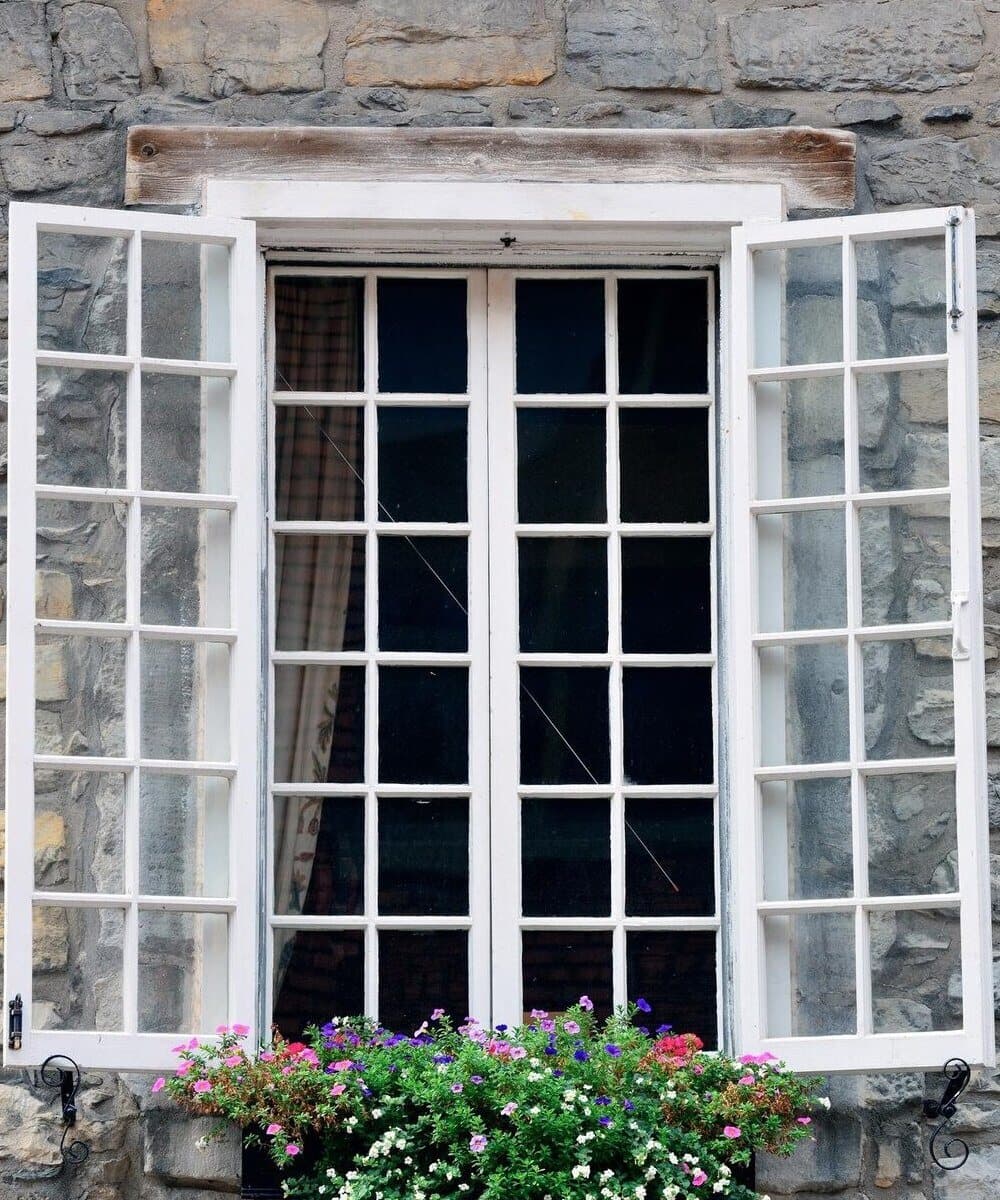
What we do
Discreet seals routed into existing sash windows to stop rattles, draughts and heat loss while the window still opens freely.
- Brush-pile seals routed into the sashes, staff beads and parting beads
- New parting beads and staff beads where the old ones are worn or loose
- Meeting rails sealed to stop the draught where the two sashes meet
- Cords renewed and weights rebalanced so the sashes still slide easily
- Minor timber repairs carried out at the same time
How it works
From inspection to installation.
- 01
Check the windows
We look at each window to find where the draughts come from and whether any timber repair is needed first.
- 02
Remove the sashes
Beads are eased off and the sashes taken out so seals can be routed in accurately.
- 03
Fit the seals
Brush-pile seals are set into the sashes and beads, and worn beads are replaced.
- 04
Rehang and test
Cords and weights are rebalanced and the sashes rehung, so each window slides smoothly and closes tight.
Questions
Common questions
- Does draught proofing stop sash windows opening?
- No. Brush-pile seals are designed for sliding sashes. Once the weights are rebalanced the window opens and closes as it should, without the rattle.
- Is draught proofing allowed on listed buildings?
- Discreet draught proofing that keeps the original sashes is generally seen as a sympathetic change, but check with your local conservation officer if your building is listed. We are happy to explain the approach to them.
- Should I draught proof or fit secondary glazing?
- Draught proofing deals with the gaps, which is where most heat escapes from a sash window. It is usually the first step. Secondary glazing adds more insulation and sound reduction on top, and the two can be combined.
Related services
Sash Window Restoration
Box sash and casement windows repaired, draught-proofed and made watertight without losing the original glass or proportions.
View serviceConservation Joinery
Minimal-intervention timber repair for listed and historic buildings, retaining as much original fabric as possible.
View serviceHeritage Joinery
Restoration and repair of architectural timber for period and listed buildings, keeping original material wherever it can be saved.
View service