Double Glazing Listed Building Rules: What's Possible
By Daniel Fitzpatrick, Master Craftsman · Guild of Master Craftsmen
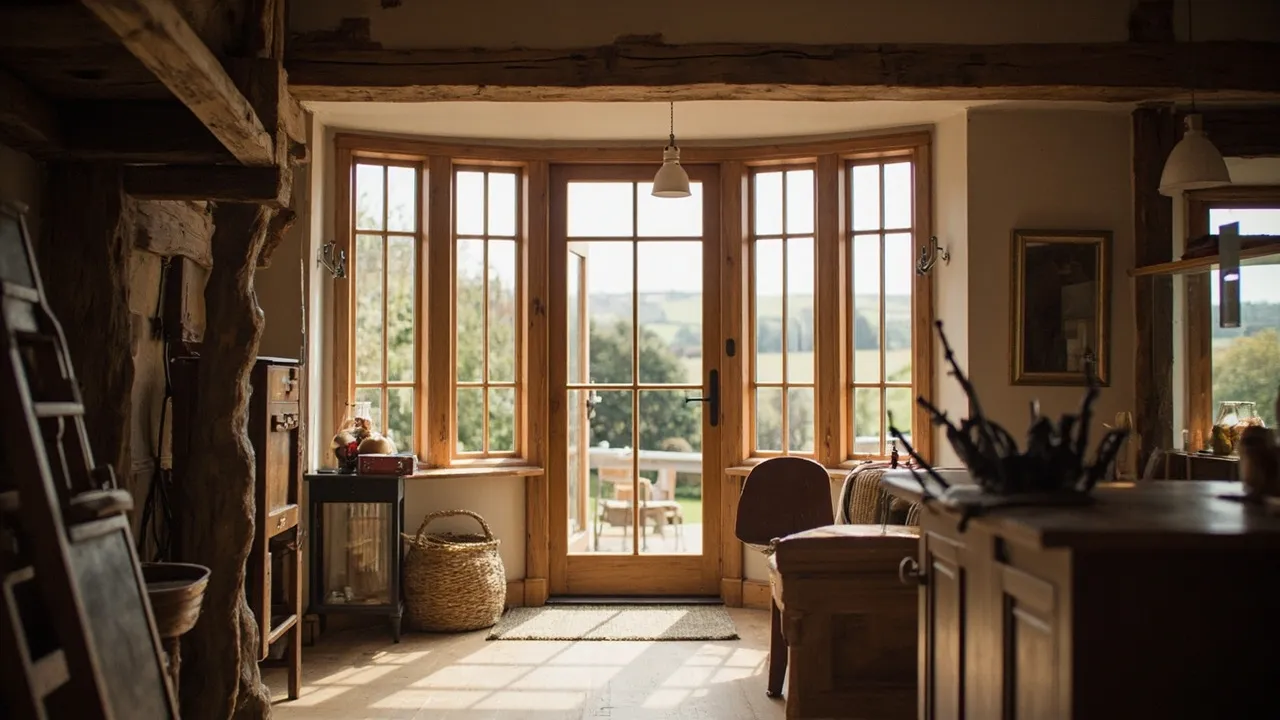
Double glazing listed building decisions are made by your council. Slim or vacuum units fitted in the existing frames need listed building consent and are often accepted where no historic glass survives. Secondary glazing is usually the easier route.
We are often asked about double glazing by owners of listed cottages and town houses across Yorkshire. Our workshop at Crossley Mills in Honley repairs and draught-proofs timber windows rather than making glazed units, so we see the question from the frame's point of view. This guide covers the three main glazing options, what councils look for in a double glazing listed building application, and common questions on consent, enforcement and cost.
Key takeaways
- Putting slim or vacuum double glazing into existing frames on a listed building needs listed building consent under York's guidance, unless the window is clearly modern. Check with your own council.
- York's council guidance says this is usually acceptable where the window has no historic glass, is not a leaded light, and the frame can take any deeper rebate needed.
- Secondary glazing is usually the preferred option, because a well-designed system has little effect on the historic window.
- There is no time limit on listed building enforcement, so the council can still act on works done without consent years later.
Can I put double glazing in a listed building?
Often yes, but only with the right design and, in most cases, with consent. There is no single national answer to double glazing listed building questions: each council judges each window on its merits.
The City of York Council's historic windows guidance note (December 2025) is a clear example of how councils think. For replacing the glass with slimline or vacuum double glazing while keeping the existing frames, it rates the impact as medium and says this "will require listed building consent unless replacing panes within a clearly modern window". It adds that such proposals are usually acceptable where three things apply: the windows are not leaded lights, they do not contain historic glass, and the frames can take any extra rebate needed while keeping the glass in the same outer face position (City of York Council, Historic Windows guidance note).
Bath and North East Somerset Council is equally direct: listed building consent is required for new double-glazed windows (Bath and North East Somerset Council, Slim profile double glazing). Yorkshire councils have their own policies, so check with your conservation officer before ordering anything.
What are the options: slimline, vacuum or secondary glazing?
Slim-profile double glazing
This replaces the single pane in each sash with a thin sealed unit. Bath's guidance describes panels around 10–12mm thick, with a narrow cavity normally filled with an inert gas. If the rebate is deep enough, the units can be putty fixed to look like the original glass, and the spacer between the panes can be colour matched to the paintwork. Bath also notes that sometimes the original glass can be reused as one of the two panes (Bath and North East Somerset Council).
Vacuum glazing
Vacuum glazing uses a very thin gap with the air removed instead of a gas-filled cavity. Bath's guidance says vacuum-filled units can double the performance of gas-filled slim units.
Secondary glazing
Secondary glazing is a separate, slim glazed panel fitted on the inside of the existing window. York's note calls it "usually a preferred method" of improving the thermal, sound and comfort performance of single-glazed windows, because a well-designed system has only limited impact on historic fabric. It also says secondary glazing can achieve comparable performance to new double-glazed timber windows with the right design choices, including Low-E glass (City of York Council). We cover it in more depth in our guide to secondary glazing in listed buildings.
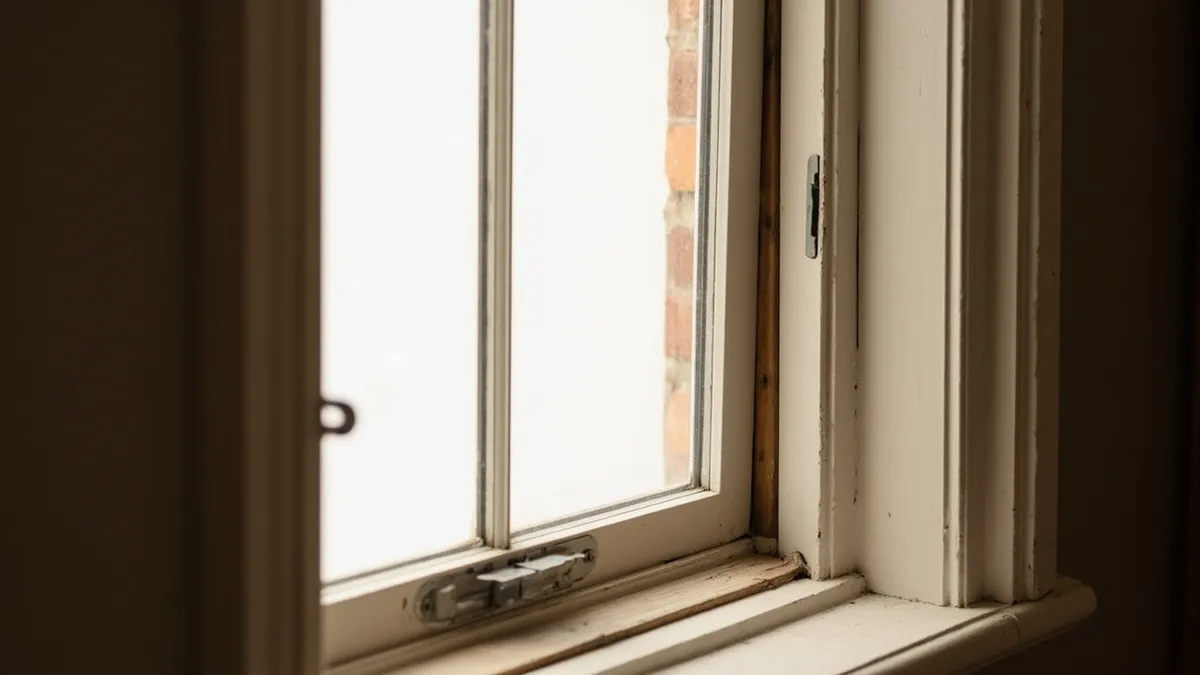
| Option | What changes | Consent on a listed building | Main things to check |
|---|---|---|---|
| Draught-proofing and repair | Nothing visible; gaps sealed, rot repaired | York says draught-proofing does not usually need permission | Quality of the repair and matched profiles |
| Secondary glazing | A new inner panel; original window kept | Ask the council; design and frame position matter | Internal shutters, glazing bars lining through |
| Slim or vacuum units in existing sashes | Original glass removed; rebates may be deepened | York says needed, unless the window is clearly modern | Historic glass, leaded lights, frame strength, sash weights |
| New double-glazed windows | Whole window replaced | York says highly likely to be needed | Whether the old window adds to the building's special interest |
Double glazing listed building rules: why the frame matters
A double-glazed unit is thicker than the single pane it replaces. To fit it, the rebate in the sash (the stepped recess that holds the glass) often has to be cut deeper. On a slender Georgian sash with fine glazing bars, there may simply not be enough timber to do that without weakening the joints.
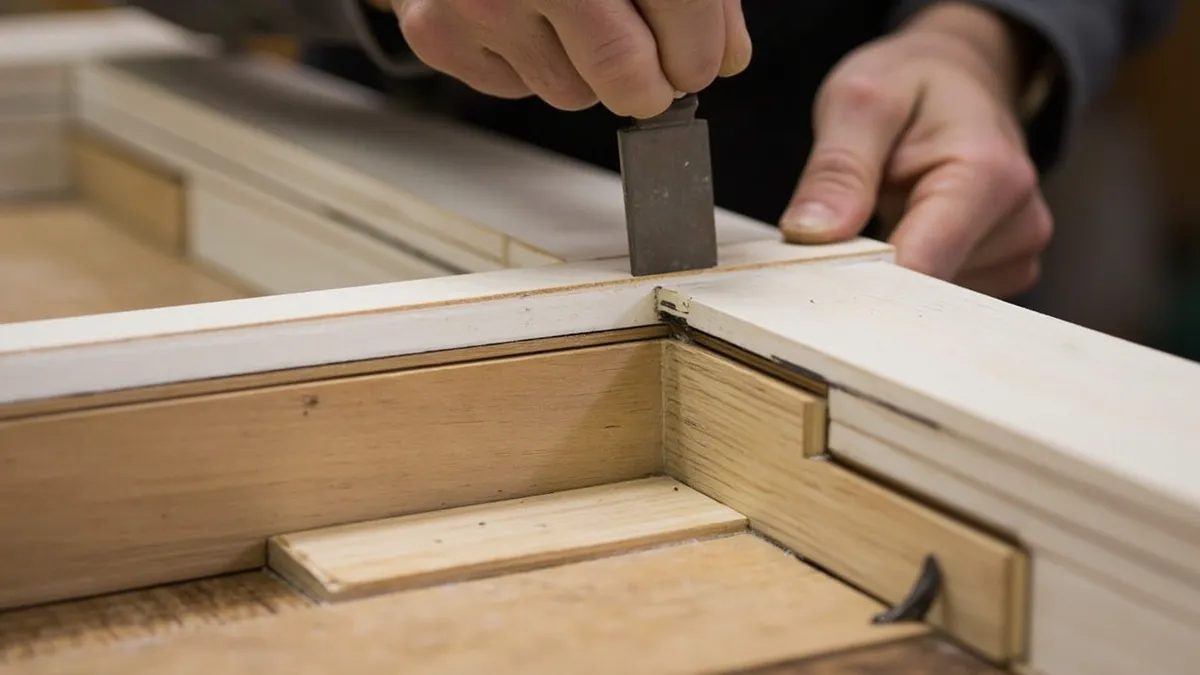
York's note makes the point that these units are thicker and heavier and should not compromise the long-term stability of existing frames, including the need for future intervention and replacement. Bath goes further: the glazed unit should be no more than 12mm thick, timber glazing bars should be exact copies of the originals, and applied or "false" glazing bars are not considered appropriate.
Weight is the other issue. A sash is balanced by weights hidden in the box frame, so heavier glass can upset the balance and let the sash creep down. The weights often need changing, which is joinery work, not just glazing.
What counts as historic glass, and why do councils protect it?
York's note defines "historic glazing" as glass made before modern float glass, which usually means before the 1950s. Signs include mild visual distortion, the slight ripple you see looking through an old pane.
That is why both councils treat surviving historic glass as a reason to pause. Bath says that where historic glass of significance survives, it should be retained. If your windows keep many original panes, secondary glazing becomes the obvious choice.
Does the 10 year rule apply to listed buildings?
No. For ordinary planning breaches, national guidance says most unauthorised development becomes immune from enforcement if no action is taken within 10 years (for work completed on or after 25 April 2024). Listed buildings are different. The government's Planning Practice Guidance states that "there are no time‑limits for issuing listed building enforcement notices", although the time that has passed may be taken into account when deciding whether to act (GOV.UK, Enforcement and post-permission matters).
Carrying out works that affect a listed building's character without consent is also a criminal offence under section 9 of the Planning (Listed Buildings and Conservation Areas) Act 1990 (legislation.gov.uk).
What is the 25% glazing rule?
This one comes from the Building Regulations in England, not listed building law. Approved Document L (Volume 1, dwellings) says that if a window is enlarged or a new one is created, the total area of windows, roof windows, rooflights and doors should not exceed 25% of the dwelling's total floor area. If it does, compensating measures should be taken to improve the energy efficiency of the home (Approved Document L, Volume 1, 2021 edition). There is a similar 25% limit for windows in extensions. If you plan to change any openings, check with your local planning authority first.
For most double glazing listed building projects, the 25% rule does not come into play, because you are not making openings bigger. The same document says that replacing the glazing in an existing frame is not providing a "controlled fitting", so it does not need to meet the energy efficiency requirements. It also says listed buildings and homes in conservation areas do not need to comply fully where doing so would unacceptably alter their character or appearance. The new 2026 edition, which takes effect on 24 March 2027 for most building work, keeps the same 25% test (Approved Document L, Volume 1, 2026 edition).
How much does it cost to replace Grade 2 listed windows?
There is no reliable national figure for a double glazing listed building job, because the cost depends on the size and pattern of the windows, the condition of the frames, and what the council will allow. Full replacement of a window that contributes to a listed building's special interest will not usually be supported anyway, according to York's guidance.
For slim units in existing sashes, Bath and North East Somerset Council gives an estimate of around £600 to £800 to install slim-profile double glazing in an average 6-over-6 sash window. Treat that as one council's guide, not a quote; it may not cover frame repairs, new weights or redecoration. Our guide to sash window restoration costs explains what drives the price of the joinery side.
What do Yorkshire's old buildings need to watch for?
Much of our work is on stone-built Victorian terraces and mill buildings around Huddersfield and the Holme Valley, and on weavers' cottages with long rows of mullioned windows around Holmfirth, Honley and Marsden. In York and Wakefield there are many Georgian and listed buildings with fine glazing bars. Shallow rebates and small panes limit what slim units can do in many of them.
Moisture is the other concern. The wet, exposed Pennine weather in the Colne and Holme valleys already tests old windows hard. York's note warns that improving glazing and reducing airflow in damp buildings can move condensation to other parts of the building, sometimes hidden inside walls, where it can cause rapid decay. If you own an older property in Huddersfield or York, think about the whole house, not just the glass.
Our rule of thumb: repair first, then add glazing
We recommend a simple order of work on any double glazing listed building project, based on what we see on the bench:
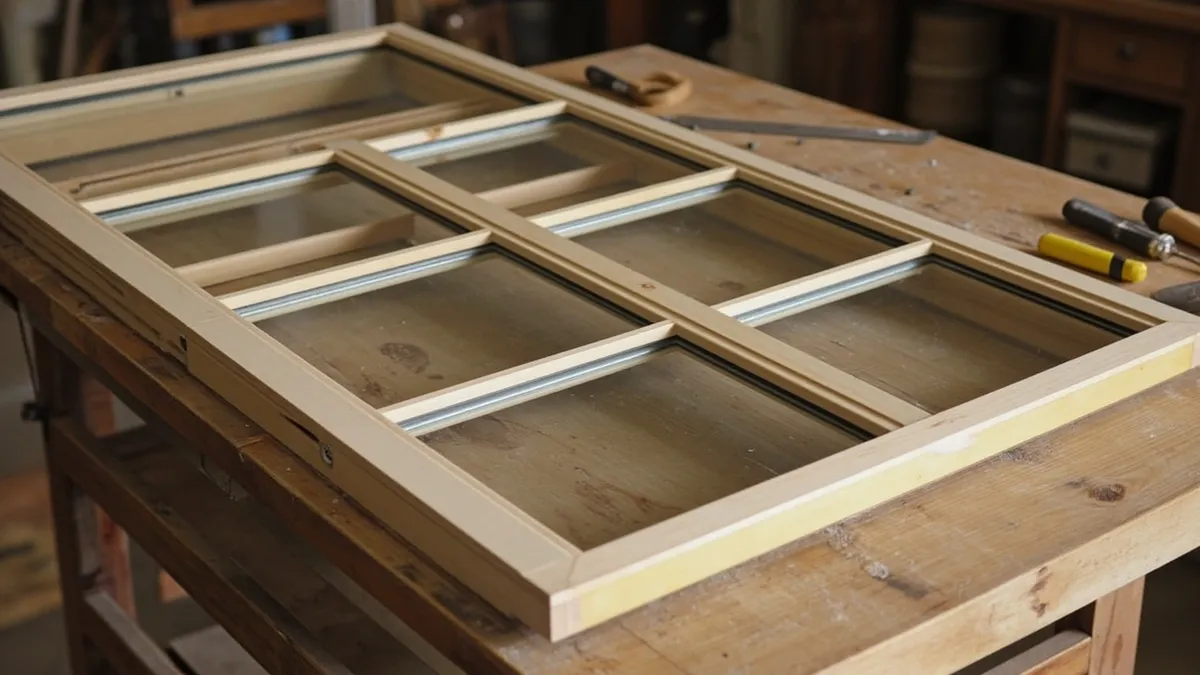
- Repair the frame. Rotten cills, loose joints and failed putty let in cold air, whatever glass is fitted. Our sash window restoration service deals with this first.
- Draught-proof it. Discreet seals stop the rattle and the draught without changing the look. See our sash window draught proofing page.
- Use shutters, blinds and curtains. If the house still has working internal shutters, bring them back into use.
- Add secondary glazing where you need more. It can be added later, and a joiner can advise on how it sits against the original window.
- Only then consider slim or vacuum units, and only where there is no historic glass, the frame has enough timber, and the council agrees.
If a window is a poor modern replacement, York's guidance says replacing it with a well-designed double-glazed version can be neutral or even positive. That still needs consent.
Before you apply: a quick checklist
- Which windows have historic glass, and which have modern float glass?
- Are any windows leaded lights?
- How deep is the existing rebate, and how thick are the glazing bars?
- Will the sash weights need changing?
- Are there internal shutters or panelling that secondary glazing would affect?
- Have you asked your council about pre-application advice?
For the consent process itself, our guide to listed building consent for timber repairs explains how an application works.
Get free advice on listed windows in Yorkshire
If you are weighing up double glazing on a listed home, we can look at the frames and tell you honestly what they will take. Master craftsman Daniel Fitzpatrick, a Guild of Master Craftsmen member with over 30 years at the bench, oversees every job himself, and there is no charge for advice. We do not make glazed units, but we can repair the windows, draught-proof them and advise on how glazing upgrades can be added.
Call 01484 666 333, send photos through our contact page, or read more about our sash window restoration work. We are based at Crossley Mills in Honley and cover Holmfirth, Huddersfield, York and other towns across West and North Yorkshire.
Frequently asked questions
Is vacuum glazing allowed in a listed building?
It can be, with listed building consent. York's guidance treats vacuum and slimline double glazing the same way: usually acceptable where the windows are not leaded lights, have no historic glass, and the frames can take the new units without being weakened. Your local council makes the final decision, so ask them early.
Do I need consent for secondary glazing on a listed building?
It depends on your council and the design. York rates the impact as low but says design and frame position matter, and tells owners to ask the planning authority for a clear answer. Where internal shutters or historic joinery would be affected, it may not be recommended.
Can I keep my old glass and still have double glazing?
Sometimes. Bath's guidance says the original glass can occasionally be reused as one pane in a new slim unit. But it also says historic glass of significance should be retained, which in most cases points towards secondary glazing instead, leaving the old panes untouched in the original sashes.
What happens if double glazing was fitted without consent?
There is no time limit on listed building enforcement, so the council can still act years after the work was done, although the time that has passed may be taken into account. Works that affect the building's character without consent are also an offence. If you suspect past work was unauthorised, speak to your conservation officer about putting it right.
Sources
- City of York Council: Historic Windows, Planning, Design and Conservation Guidance Note (December 2025)
- Bath and North East Somerset Council: Slim profile double glazing
- GOV.UK: Enforcement and post-permission matters
- Planning (Listed Buildings and Conservation Areas) Act 1990, section 9
- Approved Document L, Volume 1: Dwellings (2021 edition incorporating 2023 amendments)
- Approved Document L, Volume 1: Dwellings (2026 edition)