Secondary Glazing for Sash Windows: Pros and Cons
By Daniel Fitzpatrick, Master Craftsman · Guild of Master Craftsmen
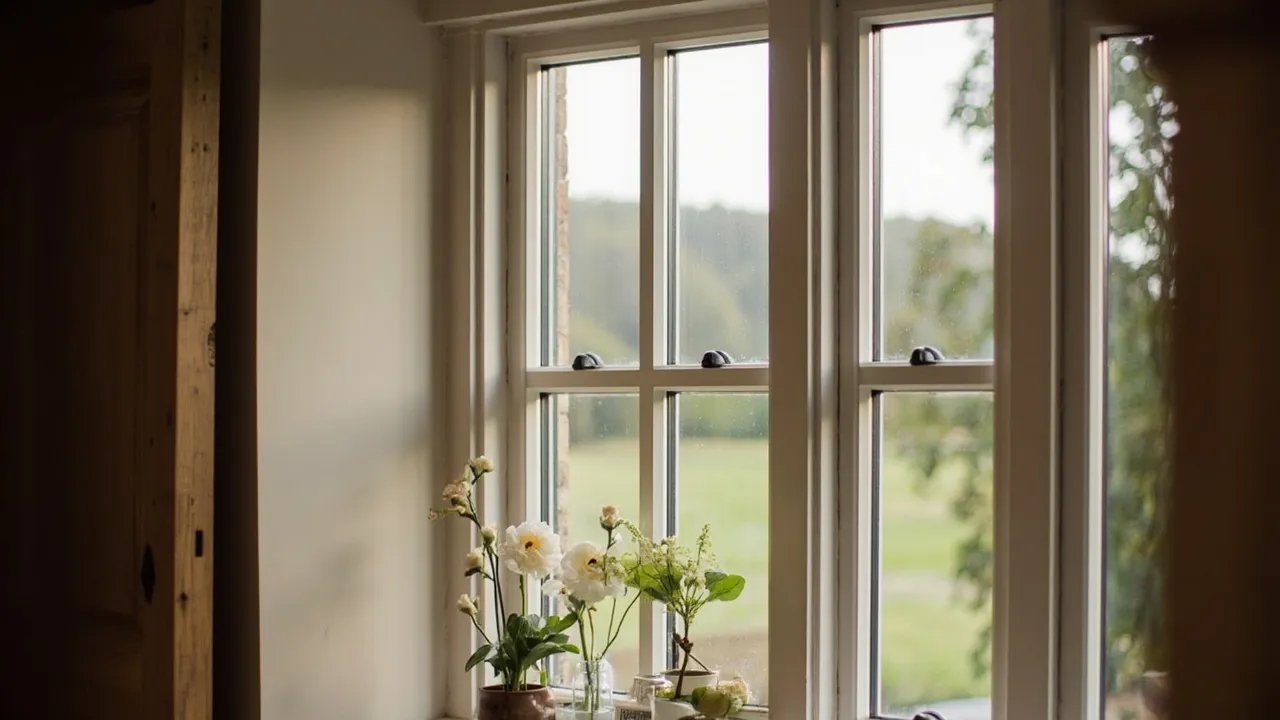
Secondary glazing for sash windows adds a separate inner window on the room side, cutting heat loss and noise while the original sashes stay untouched. It works best on sashes that are already repaired and running well, and it brings extra cleaning and condensation to manage.
We don't sell or fit secondary glazing. In our workshop at Crossley Mills in Honley we repair and draught-proof timber sash windows for period homes across Yorkshire, and we are often asked whether secondary glazing is worth adding afterwards. This guide sets out the pros and cons from the joinery side.
Key takeaways
- Repair comes first. Historic England advises assessing what repairs are needed to make windows fully operational before adding draught-proofing or secondary glazing.
- Draught-proofing is usually the first upgrade to consider. It changes little about how the window looks and costs little.
- Secondary glazing gives more thermal and noise benefit than draught-proofing alone, but adds a second window to clean, a condensation risk to manage and a visual change indoors.
- Plan the two together: if secondary glazing is going in, Historic England says the outer windows are best left without draught-proofing so the air gap can breathe.
What is secondary glazing for sash windows?
Historic England describes secondary glazing as a fully independent window system installed on the room side of the existing window, with the original window left in position and unaltered (Historic England, Secondary glazing for windows). It can be openable, removable or fixed. Openable versions come as side-hung casements or as horizontal or vertical sliding panels.
The idea is not new: the same guidance notes that some 19th-century buildings were built with a second double-hung sash to cut heat loss and give some noise insulation. Ready-made systems normally have painted aluminium frames, while a bespoke system can be built around a timber sub-frame.
For sash window secondary glazing, Historic England says vertical sliding systems usually have the upper panel innermost, so the latch on the original sash is easier to reach. Slim-profile systems can sit within the depth of the staff bead of a typical sash window, which lets shutters and window boards stay in place.
What are the benefits of secondary glazing?
The main pros of secondary glazing for sash windows, as set out in Historic England's guidance:
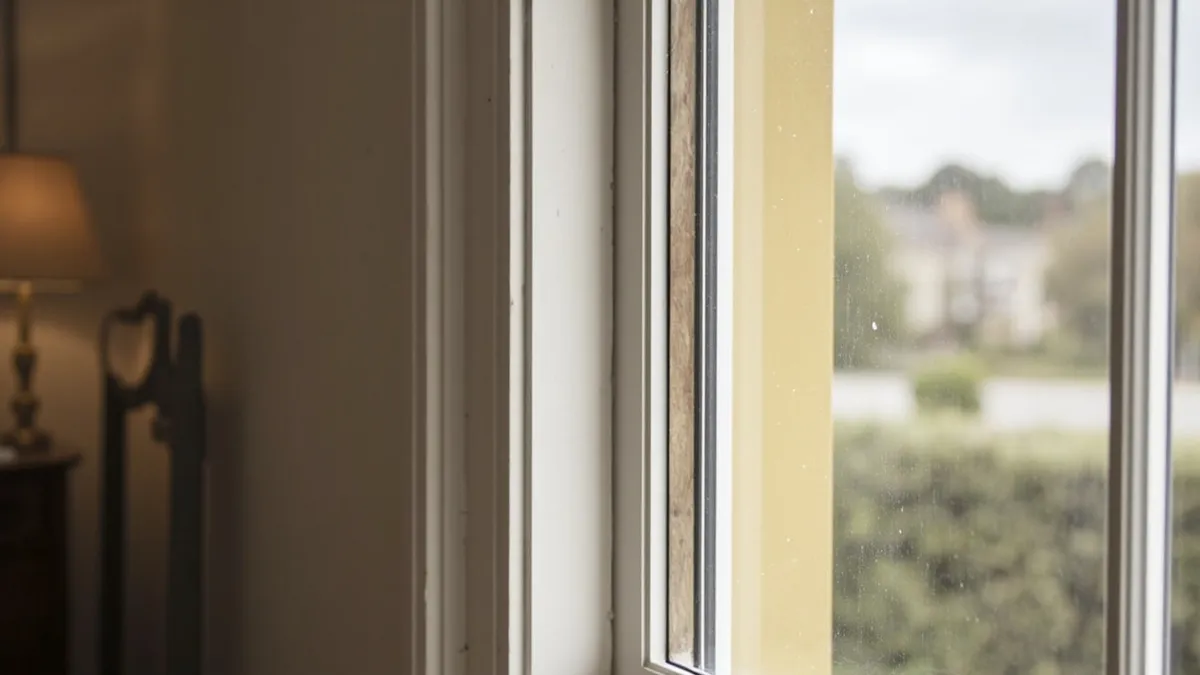
- The original sashes survive. When carefully designed and installed, secondary glazing lets the original windows be retained unaltered, and repaired where necessary, so there is no loss of historic fabric. In most cases it is easily reversible.
- Less heat loss. Historic England reports research showing heat losses by conduction and radiation through a window as a whole can be reduced by over 60% using secondary glazing with a low-emissivity (Low-E) hard coating facing the outside.
- Less noise. The guidance says secondary glazing can be highly effective at reducing noise. Its larger gap between the panes makes it a better sound insulator than double glazing.
City of York Council's windows guidance makes a similar point. It says secondary glazing is usually a preferred way of improving the thermal, sound and comfort performance of single-glazed windows, because a well-designed installation has only limited impact on historic fabric. It adds that, with the right design choices including Low-E glass, it can achieve comparable performance to new double-glazed timber windows (City of York Council, Historic Windows guidance note, 2025).
What are the downsides of secondary glazing?
Secondary glazing is a second window, with everything that goes with one. The cons we point out, most also flagged by Historic England:
- Condensation between the panes. Condensation can form on the outer window, particularly if the inner panels are opened for ventilation in cold weather in a humid room. Water left sitting on the inside of a sash can rot bottom rails and cills over time.
- Two windows to clean. The guidance says secondary glazing should not stop you reaching the original glass or the cavity for cleaning and maintenance. Fixed panels need particular thought.
- Visual impact indoors. Badly designed secondary glazing can be visually intrusive inside and out. Historic England suggests placing any divisions behind the meeting rails or glazing bars.
- Shutters and window joinery. Where there are working shutters, careful thought is needed. If that is impossible, the shutters could be fixed shut but not altered, so they can be used again later.
- Ventilation and open fires. Rooms still need enough ventilation, and Historic England advises checking the draw of stoves and open fires after installation.
- Summer heat. Secondary glazing can make solar overheating worse if it restricts summertime ventilation.
None of these rules out secondary glazing for sash windows, but it needs designing around the house.
Should you repair and draught-proof the sashes first?
Yes. Historic England's order is clear: before any upgrade such as draught-stripping or secondary glazing, assess what repairs are needed to make the windows fully operational. It also says traditional timber windows can almost always be repaired, even in very poor condition.
It then describes draught-proofing as usually the first option to consider for improving the thermal performance of windows in an older building, with little or no change to appearance at minimal cost. Much of the draught in an old sash comes from worn beads, loose sashes and gaps at the meeting rails. That is the job our sash window draught-proofing service does: brush-pile seals routed into the sashes and beads, worn parting beads renewed, and cords and weights rebalanced.
If the sashes are rotten, rattling or painted shut, secondary glazing does not solve that. It hides it. Our part of Yorkshire has a lot of windows worth keeping: stone-built Victorian terraces and mill buildings around Huddersfield and the Holme Valley, and Georgian and listed buildings in York and Wakefield. In the wet, exposed Pennine weather of the Colne and Holme valleys, the outer sash takes the weather whatever you fit behind it, so it has to be sound first.
Our sash window restoration work covers the repairs, and our guide to what affects the cost of sash window restoration explains how we price them.
When is secondary glazing worth adding? Our rule of thumb
Historic England notes that secondary glazing can provide considerably higher thermal performance than draught-proofing alone. So the question is whether you need that extra step. Our rule of thumb in the workshop:
- Repair first, always. Get every sash sound, sliding and closing properly.
- Draught-proof if comfort is the main complaint. Live with the result through a winter before spending more.
- Add secondary glazing for sash windows if a room is still cold, or if noise from a busy road is the real problem.
- Decide before you draught-proof, where you can. Historic England says that if secondary glazing is the chosen solution, the outer windows are best left without draught-proofing so the air space between the two windows gets some ventilation and condensation doesn't build up. If both are on the cards, tell us, and we will plan the sash repairs and seals with the secondary glazing in mind.
| Option | What it changes | Main strength | Main drawback |
|---|---|---|---|
| Repair only | Sashes made sound and running | Keeps the window working and weathertight | Some draughts at the gaps may remain |
| Repair and draught-proofing | Seals added at beads and meeting rails | Little or no change to appearance | Less thermal and noise benefit than a second window |
| Secondary glazing for sash windows | Separate inner window added | More thermal and noise benefit than draught-proofing alone, and reversible | Cleaning, condensation and visual impact to manage |
| Slim double glazing in existing sashes | Original glass replaced | No second window indoors | Historic glass lost; heavier units; consent usually needed on listed buildings |
What is the best secondary glazing option for sash windows?
The best secondary glazing for sash windows depends on how you use the room. Historic England's guidance describes the main types:
- Vertical sliding. Mirrors the sash itself, so the meeting rail can line up behind the original. Suited to rooms where you open the window regularly.
- Hinged casements. Give full access for cleaning, but swing into the room when open.
- Lift-out or removable panels. Suit windows that are seldom opened. They are best numbered and stored.
- Fixed panels. Useful where no access is needed or alongside opening panels, with thought given to cleaning and venting the cavity.
Whichever type you choose, the design points that matter to us as joiners are the same. The guidance advises that the secondary glazing should not be smaller than the glazed area of the existing window and that any divisions should sit behind the meeting rails or glazing bars. Our own rule is that fixings go into the reveal or a timber ground, not through the original sash box, pulley stiles or shutter cases. We can look at your reveals and advise before you get quotes.
How much does secondary glazing cost for sash windows?
We don't supply or fit secondary glazing, so we won't quote figures for it here. What we can say is what drives the price, so you can compare quotes fairly:
- the number and size of windows, and whether the heads are square, arched or curved;
- the opening type: fixed and lift-out panels are simpler than sliding or hinged units;
- the glass: Low-E, acoustic or laminated glass costs more than plain glass;
- any work needed to the reveals, window boards or shutters;
- whether the sashes need repairs first, which should be budgeted separately and done beforehand.
When you compare secondary glazing for sash windows against replacement windows, remember that it keeps the sashes you already have. The York guidance also notes that uPVC replacements carry embodied energy and need replacing over time, which can mean a worse carbon impact than keeping single-glazed timber windows in good condition and upgrading them.
Secondary glazing in listed buildings and conservation areas
Most secondary glazing listed building questions are about permission. City of York Council rates adding internal secondary glazing to a listed building as low impact, but says a good design and frame position are important, bad choices can cause unacceptable harm, and you should ask the local planning authority for a clear answer on permissions. It also notes rare exceptions where internal secondary glazing is not recommended, for example where it would harm internal shutters or historic joinery. By contrast, the same note says draught-proofing does not usually require permission.
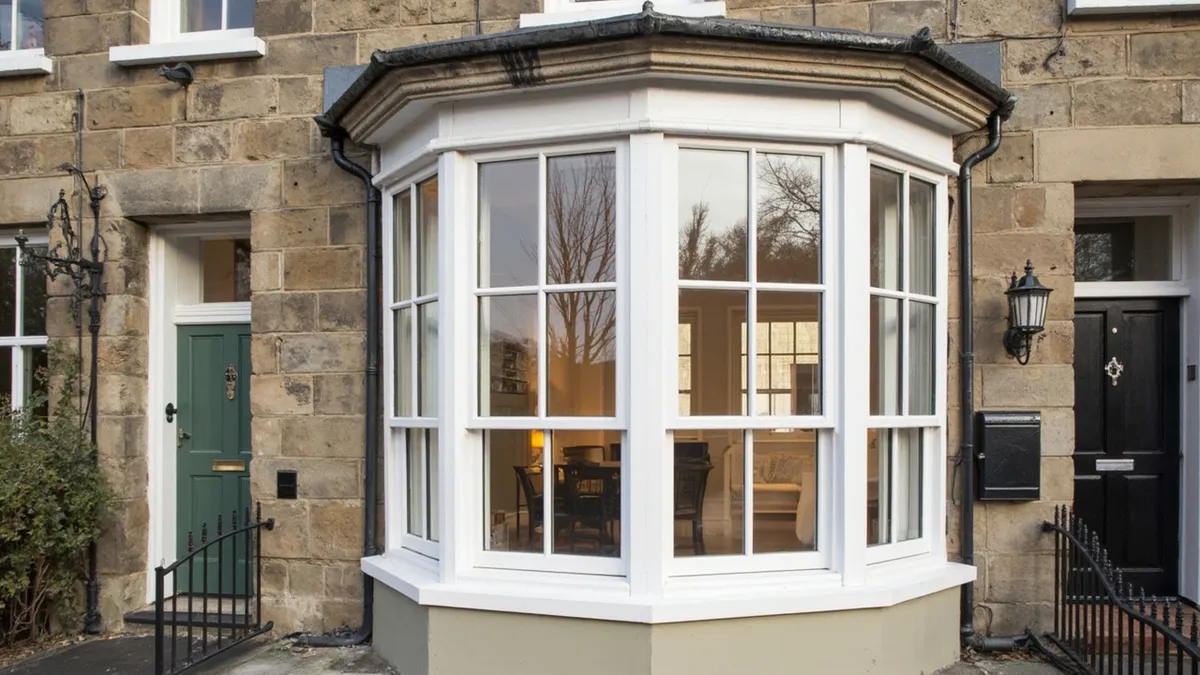
We cover consent in more detail in our separate post on secondary glazing in listed buildings and what is allowed, and in draught-proofing sash windows in a listed building. Rules and interpretation differ between councils, so always check with your own local planning authority or conservation officer before work starts.
Can you fit double glazing to existing sash windows?
Sometimes, but it is a bigger change than secondary glazing. Slim or vacuum double-glazed units can be fitted into existing sashes if the timber can take a deeper rebate. City of York Council's note says that on a listed building this will require listed building consent unless the panes are in a clearly modern window. It says such proposals are usually acceptable where the windows are not leaded lights, don't contain historic glass, and the frames can take the extra rebate. It also warns that these units are thicker and heavier and should not compromise the long-term stability of the frames.
Historic England adds that replacing windows with double glazing can change their appearance, through the flatness of new glass and thicker timber sections and glazing bars. On sashes with thin glazing bars or old hand-made glass, secondary glazing usually keeps more of what makes the window worth saving.
Free advice on your sash windows
Not sure whether your windows need repair, draught-proofing or secondary glazing? Master craftsman Daniel Fitzpatrick, a Guild of Master Craftsmen member with over 30 years at the bench, oversees every job from inspection to installation, and advice is free. We don't install secondary glazing, but we can tell you honestly whether your sashes are ready for it and what to ask for.
Call 01484 666 333, send us photos through our contact page, or read more about our sash window draught-proofing service. We work from Crossley Mills in Honley and cover Holmfirth, Huddersfield and towns across West and North Yorkshire.
Frequently asked questions
Is secondary glazing better than draught-proofing?
It does more, but it is not always needed. Historic England says draught-proofing is usually the first option to consider and changes little about a window's appearance, while secondary glazing gives considerably higher thermal performance. Repair and draught-proof first, then consider secondary glazing for sash windows in rooms that stay cold or noisy.
Does secondary glazing cause condensation?
It can. Condensation may form on the outer window, especially if the inner panels are opened in cold weather in a humid room. Historic England advises leaving some ventilation to the air gap by not sealing the original window, while keeping the secondary unit itself well sealed.
Can secondary glazing be removed later?
Usually, yes. Historic England says that in most cases the installation is easily reversible, because the original windows stay in place unaltered. Some systems are designed to lift out in warmer months. Fixings should go into the reveal rather than the original sash box so nothing is damaged when it comes out.
Do I need permission for secondary glazing on a listed building?
It depends on the design and your council. City of York Council rates it as low impact on listed buildings but says frame position and design matter, and advises asking the local planning authority for a clear recommendation. Check with your own conservation officer before any work starts.