Sash Window Jammers: How to Stop Sashes Rattling
By Daniel Fitzpatrick, Master Craftsman · Guild of Master Craftsmen
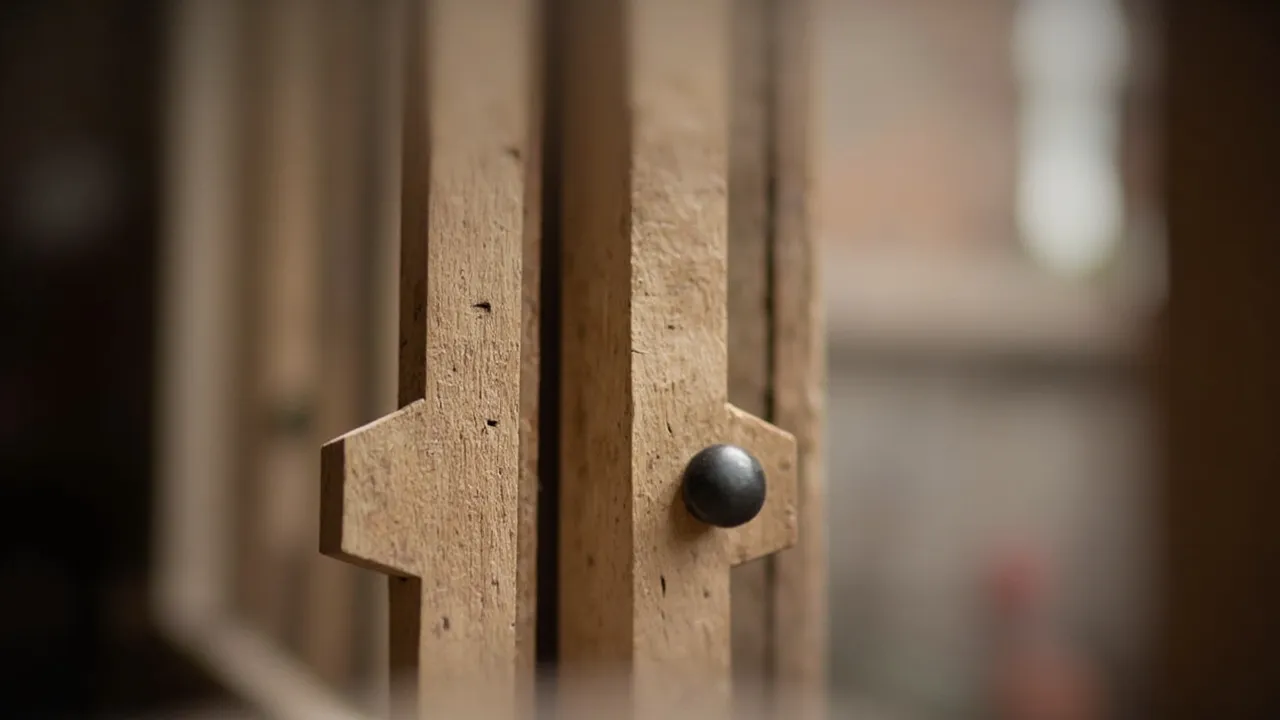
Sash window jammers are small wedges or adjustable stops that press a loose sash tight in its frame so it stops rattling in the wind. They are a quick winter fix. The lasting cure is to renew worn beads, add draught-proofing and overhaul the window.
When the wind gets up in winter, rattling sashes keep a lot of people awake in Yorkshire. In our workshop at Crossley Mills in Honley, we repair and draught-proof sash windows on Victorian terraces, weavers' cottages and listed houses. This guide explains why sash windows rattle, how sash window jammers work, and when a window needs more than a wedge.
Key takeaways
- Sashes rattle because there is too much play between the sash and the beads that hold it, usually from shrunk timber, worn beads or a loose catch.
- A sash jammer is a simple wedge or adjustable stop that takes up that play. It works well as a short-term fix and costs little.
- Jammers only hold the sash still. They do not seal the gaps, so the draught often remains.
- The proper fix is re-beading and draught-proofing, often as part of a wider overhaul of the window.
Why do sash windows rattle?
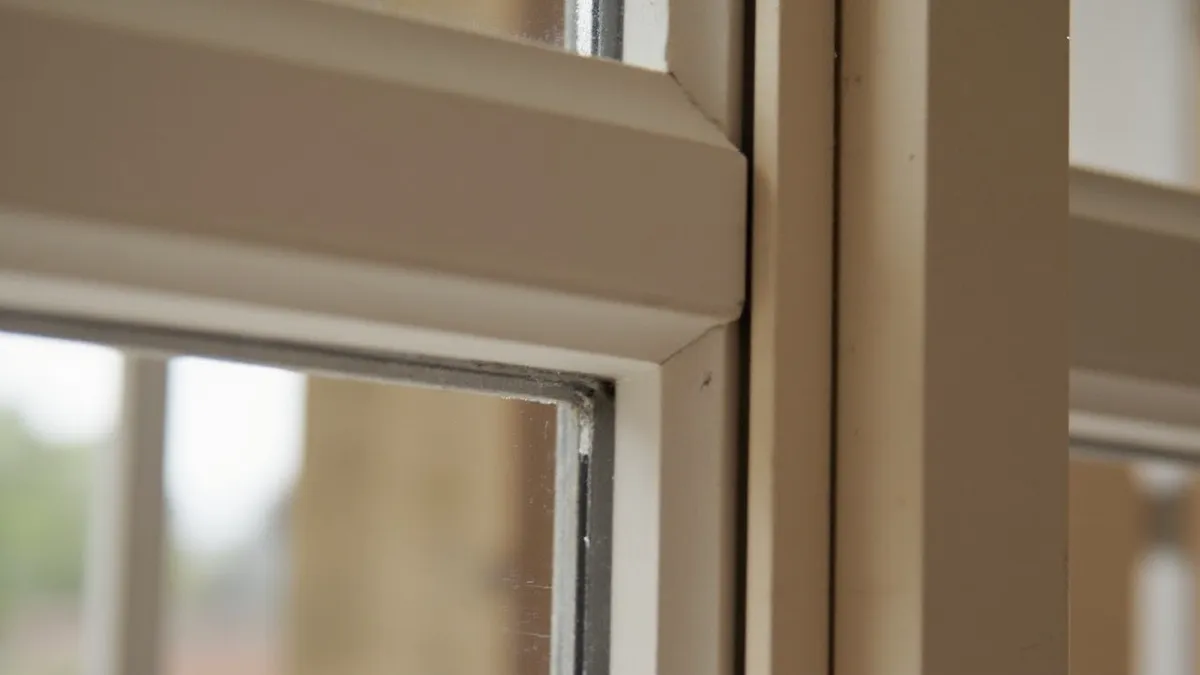
A box sash window has two sashes that slide up and down in channels formed by the staff bead on the inside, the parting bead in the middle and the outer lining. Each sash needs a little clearance to slide. When that clearance grows, the wind pushes the sash back and forth and it knocks against the beads.
Wikipedia's article on sash windows lists rattling in the wind, caused by shrinkage of the wood, among the traditional problems of solid wooden sashes, and says these problems can be solved by careful repair and draught stripping (Wikipedia, Sash window). In practice, we find rattling sashes come down to a few causes:
- Shrunk sashes. Over many years the timber dries and shrinks, so the sash is thinner and narrower than the channel it runs in.
- Worn parting beads. The thin parting bead between the two sashes wears from years of sliding and often gets broken when windows are painted shut and forced.
- Loose or badly refitted staff beads. Beads that have been taken off and nailed back with a generous gap leave the inner sash free to move.
- A loose meeting rail catch. If the fastener does not pull the two meeting rails together, the sashes can knock against each other.
- Broken cords. A sash with a broken cord sits loose in its channel and rattles more.
What is a sash jammer?
A sash jammer is a small device fitted to the staff bead or the frame that presses against the face of the sash and holds it tight. Some are simple cam or lever stops you turn by hand, some screw in, and the simplest are timber or rubber wedges pushed into the gap between the sash and the bead. Whatever the type, sash window jammers do one job: they take up the play so the sash cannot move in the wind.
We describe them generically here because the design matters more than any particular product. A good jammer:
- Presses evenly without bruising the paint or the timber.
- Can be released quickly, so the window can still be opened in an emergency.
- Is fixed with small screws into the bead, not the sash, so it can be removed later without damage.
- Sits where it is not in the way of the cords, weights or catch.
How many sash jammers per window?
There is no fixed rule; it depends on the size of the window and where the rattle is. As a starting point, we usually suggest one on each side of a sash, near the meeting rail where most movement happens. A large or heavy sash may need another pair lower down. Try one pair, close the window on a windy night, and add more only if the rattle continues.
Fit sash window jammers to the inner sash first. The outer sash is held by the parting bead and the outer lining, which you cannot reach from inside, so if that sash is the one rattling, the parting bead probably needs renewing.
How do you stop sash windows rattling in the wind?
Here are the options from quickest to most thorough.
| Fix | What it does | Best for | Limits |
|---|---|---|---|
| Sash window jammers or wedges | Hold the sash tight against the beads | A quick fix for a windy night or a rented flat | Do not seal gaps; can mark paint; the window is harder to open |
| Adjusting or replacing the catch | Pulls the meeting rails together | Rattles at the middle of the window | Does not help the sides of the sash |
| Re-setting the staff beads | Moves the inner bead closer to the sash | An inner sash that rattles but runs well | Beads may split if old and brittle |
| New parting beads | Takes up wear between the sashes | A rattling outer sash | Needs the sashes taken out |
| Draught-proofing with seals in the beads | Closes the gaps and holds the sash snug | Draughty and rattling windows | Works best on a sash in good repair |
| Full overhaul | Repairs timber, renews cords, beads and seals | Windows that stick, rattle, leak and drop | More involved; done one window at a time |
SPAB says that good draughtproofing, including replacement parting and staff beads incorporating seals, will rectify draughts and rattles following general wear and tear (SPAB, Sash window maintenance). That is the approach we take with our sash window draught proofing service.
Are sash window jammers enough on their own?
Sometimes, for a while. If the sashes are sound, the cords are good and the only problem is a little play, sash window jammers can keep a window quiet for some time. But they treat the symptom. A jammer holds the sash still; it does not close the gap the wind is getting through, so the room can stay cold. They can also make a window awkward to open, which matters for any window you might need in a fire.
Signs that a window needs more than a wedge:
- You can feel a draught even when the sash is jammed tight.
- The sash drops, sticks or will not stay up.
- The parting bead is split, missing or patched with filler.
- The cill or bottom rail feels soft.
- Paint and putty are cracked and falling away.
If any of those apply, the window needs repair. SPAB says sash windows in poor working order can be overhauled, with work such as replacing cords, patch repairing worn stiles and renewing staff and parting beads (SPAB, Timber windows). Our guide on sash window cords and weights covers the cord side of that work.
Why do sash windows rattle more in a Yorkshire winter?
The Pennine weather in the Colne and Holme valleys is wet and exposed, and windows facing up a valley take the worst of it. Long rows of mullioned and sash windows on weavers' cottages around Holmfirth, Honley and Marsden, and tall sashes on stone-built Victorian terraces around Huddersfield, all catch the wind.
Timber also moves with the seasons. A sash swells in a wet autumn and fits snugly, then dries and shrinks once the heating is on, so a window that was quiet in October can rattle by January. If you are near Holmfirth, our page on sash window and joinery work in Holmfirth shows the kind of houses we work on.
Our rule of thumb: jammer, re-bead or overhaul?
We recommend a simple decision rule based on what we see in practice:
- Rattle only, no draught, window runs well: fit sash window jammers or re-set the staff bead. This is a fine fix.
- Rattle and draught, timber sound: re-bead with seals and draught-proof. This fixes both problems at once.
- Rattle, draught, sticking or dropping sash, or soft timber: overhaul the window. Repair the timber, renew cords and beads, then draught-proof.
- Listed building: check with your conservation officer before changing beads or adding seals.
For listed buildings, we have covered permissions and methods in detail in our guide to draught-proofing sash windows in a listed building, so we will not repeat that here. If you want a fuller picture of restoration work, see our sash window restoration page.
Stop the rattle for good this winter
If your sashes knock and whistle every time the wind blows, call us for free advice. Daniel Fitzpatrick, our master craftsman and a member of the Guild of Master Craftsmen with over 30 years' experience, oversees every job from inspection to installation.
Call 01484 666 333, get in touch through our contact page, or read about our draught-proofing for rattling sash windows. Our workshop is at Crossley Mills, Honley, and we work on period homes across Yorkshire.
Frequently asked questions
Do sash jammers damage the window?
They can if they are overtightened or screwed into the sash itself. Fixed to the staff bead with small screws and tightened just enough to stop movement, they do little harm and can be removed later. Wedges forced in hard can bruise paint and timber, so go gently.
Can I still open a window with jammers fitted?
Yes, if you choose a type that releases quickly, such as a cam or lever stop. Wedges have to be pulled out first. Make sure at least one window in each room you might need to escape from can be opened easily.
Will draught-proofing stop the rattling as well as the draught?
Usually, yes, where the rattle comes from general wear. Seals set into new staff and parting beads hold the sash snugly in its channel, so it cannot knock in the wind, while still letting it slide. SPAB says good draughtproofing will rectify draughts and rattles following general wear and tear.
Is a rattling sash a sign it needs replacing?
Rarely. Rattling is usually caused by wear in the beads and shrinkage of the timber, both of which can be repaired. Replacement is only worth considering when a sash is beyond repair, and even then a new sash can be made to fit the existing box frame.