Victorian Sash Windows: Features, Faults and Care
By Daniel Fitzpatrick, Master Craftsman · Guild of Master Craftsmen
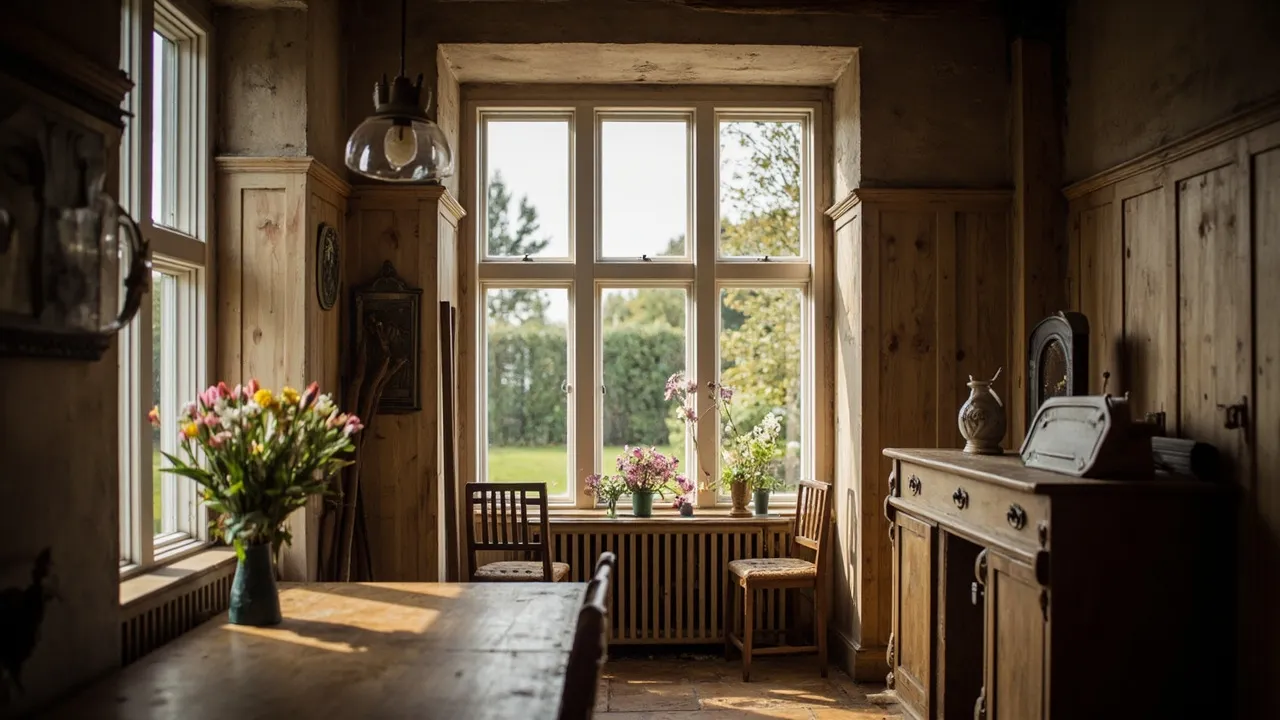
Victorian sash windows are vertically sliding timber windows from the reign of Queen Victoria (1837 to 1901). Compared with Georgian sashes they have larger panes, often two-over-two or one-over-one plate glass, horns on the sashes, and are often set in bays. Most are repairable.
Across Yorkshire, whole streets of stone-built Victorian terraces still have their original sashes. From our workshop at Crossley Mills in Honley we repair, re-cord and draught-proof them for homes from Huddersfield to Harrogate. This guide explains how to recognise Victorian windows, what goes wrong and how to look after them.
Key takeaways
- Cheaper glass from the late 1830s let Victorian joiners use bigger panes and fewer glazing bars, so two-over-two and one-over-one sashes became common.
- Horns, the short projections at the bottom of the upper sash stiles, were added to strengthen sashes carrying heavier plate glass. They are one of the easiest ways to tell a Victorian sash from a Georgian one.
- The usual faults are rot in cills and bottom rails, broken cords, sashes painted shut, loose joints and draughts. All of these can normally be repaired.
- Our rule of thumb: repair the original sash if the joints and most of the timber are sound; make a new sash to the old pattern only where the rot has reached several joints.
Did Victorian houses have sash windows?
Yes. The sash window was the usual window of the Victorian house, from grand villas to small terraces. The Society for the Protection of Ancient Buildings (SPAB) says sash windows were popular from the late 1600s and "epitomise Georgian and Victorian houses" (SPAB, Sash window maintenance). By the end of the 18th century, sashes were already standard on even the smallest worker's dwelling, according to a council guide to the history of windows (Wychavon District Council, History of Windows and Glass).
The Victorian era ran from 1837 to 1901, although many of the features we now call "Victorian" only became popular from around 1850 (Wikipedia, Victorian architecture). Two changes shaped Victorian house windows. Glass became less expensive from 1837 (Wychavon), and the window tax in England and Wales was repealed in 1851 (Wikipedia, Window tax).
A typical Victorian sash is a double-hung box sash: two sashes sliding past each other in a hollow timber box frame, each balanced by weights on cords running over pulleys. SPAB describes a double-hung sash as having two moving parts, with sashes hung on cords or chains and counterbalanced by metal weights housed in a boxed frame (SPAB).
What do Victorian sash windows look like?
They are easiest to recognise by their glass and their horns. Look for these features.
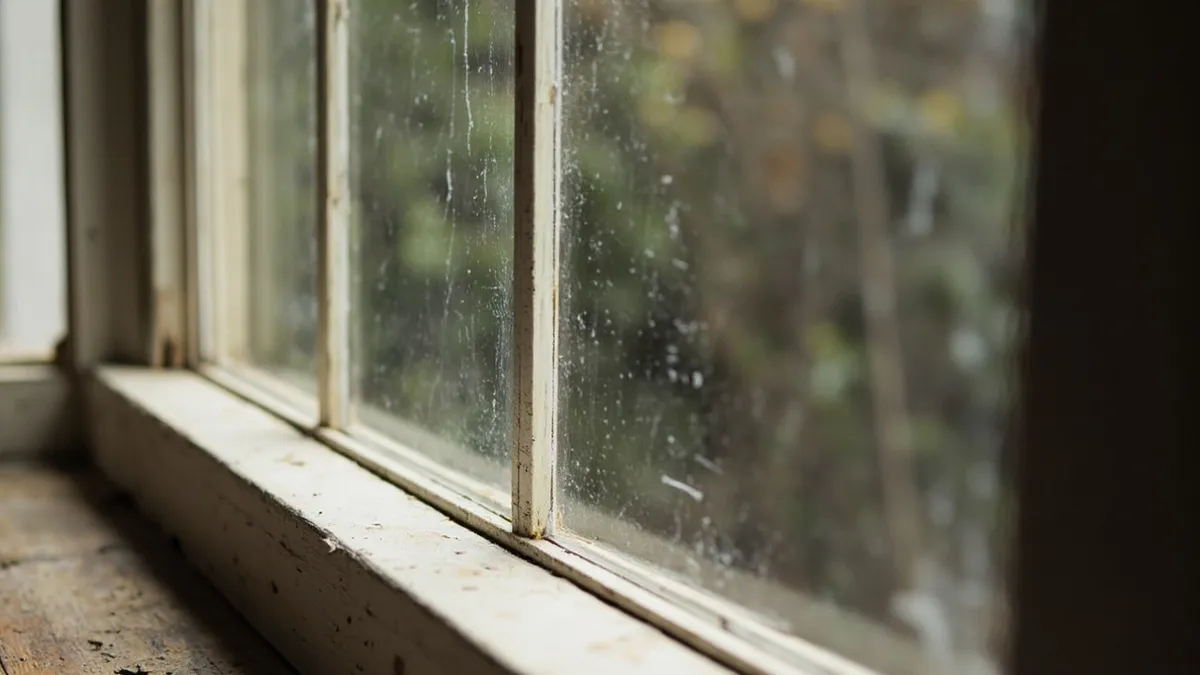
Two-over-two and one-over-one panes
Georgian sashes were divided into many small panes by glazing bars. The Wychavon guide explains that improved manufacture made glass less expensive from 1837 and that, by the middle of the century, most windows had only one central glazing bar or none at all (Wychavon). One central bar in each sash gives the familiar two-over-two pattern, and no bar at all gives one-over-one. Later in the century, the "Queen Anne" style brought back white-painted sash windows with small panes.
Horns
Horns are the short, shaped extensions of the stiles below the meeting rail of the upper sash. The Wychavon guide says they were introduced to compensate for the extra weight of plate glass and the lack of glazing bars (Wychavon). With no bars to brace the frame, the joints at the meeting rail carried more load, and the horn gave the joint extra timber. Matching the original horn shape matters when a sash is repaired.
Plate glass
According to the Wychavon guide, cylinder or plate glass was first made in Britain in 1773 and became more widespread in the 1830s, with the rippled effect of older glass greatly reduced, although reflections are still distorted when viewed at an angle. Original Victorian glass is worth keeping. The same guide describes old cylinder and crown glass as irreplaceable, thin and easily broken (Wychavon).
Bay windows
Many Victorian houses have a canted bay at the front, often on the ground floor and sometimes on both floors. A bay usually has a wide central sash with a narrower sash on each angled side. Bays are harder work than flat windows: the corner posts carry load, the cills are long and exposed, and the lead or slate roof over the bay can leak into the head of the frame.
What are the key differences between Georgian and Victorian sash windows?
The main differences are pane size, glazing bars and horns. The table sums up what we look for when dating a window on site.
| Feature | Georgian sash windows | Victorian sashes |
|---|---|---|
| Pane pattern | Many small panes, commonly six-over-six | Two-over-two or one-over-one, with small-pane sashes returning late in the period |
| Glazing bars | Several slim bars in each sash | One central bar or none |
| Horns | Usually none | Common, to strengthen the meeting rail joints |
| Glass | Crown glass, with visible ripples | Cylinder or plate glass, flatter and larger |
| Typical setting | Flat fronts with regular, evenly spaced windows | Terraces and villas, often with bay windows |
These are patterns, not strict rules. As plate glass became available, glazing bars could be reduced or removed completely (Wychavon), so an older window may have been altered. A later sash in an older box frame is common, so check the box, the sash and the glass separately.
How do Edwardian sash windows differ?
Edwardian sash windows (roughly 1901 to 1910) carry on from late Victorian ones. Many Edwardian houses have a small-paned upper sash over a single large pane below. Wikipedia notes that innumerable late Victorian and Edwardian suburban houses in England were built using standard sash units about 4 feet (1.2 metres) wide, while older hand-made units could be any size (Wikipedia, Sash window).
What goes wrong with Victorian sash windows in Yorkshire stone terraces?
Most faults come back to water and wear. Here in West Yorkshire, many terraces around Huddersfield and the Holme Valley are built of stone and face wet, exposed Pennine weather. Timber cills and bottom rails that face the prevailing weather stay damp for long spells, and that is where rot starts. If you live in one of these streets, our sash window work in Huddersfield covers exactly this kind of house.
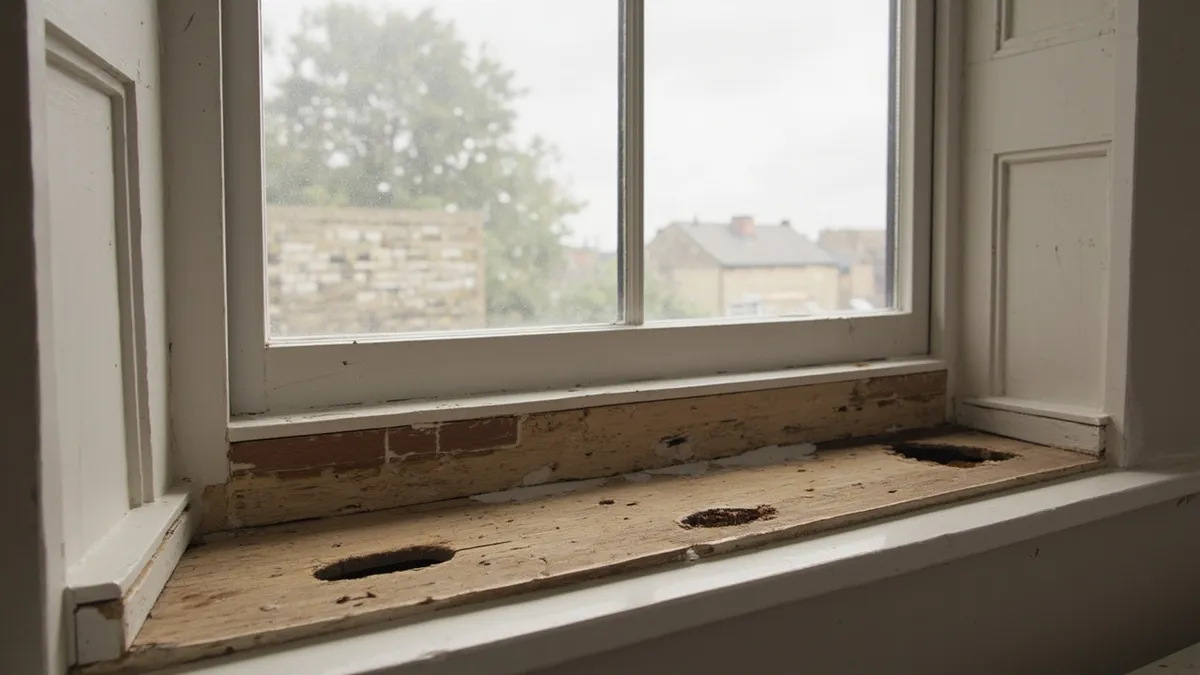
A quick checklist for your windows:
- Soft cills and bottom rails. Press a screwdriver into the timber. If it sinks in, there is rot.
- Gaps between the box frame and the stone. Failed pointing or mastic lets rain run behind the frame.
- Broken or frayed cords. A sash that drops or will not stay open usually has a broken cord.
- Sashes painted shut. Layers of paint on the beads and running surfaces lock the sashes in place.
- Loose meeting rail joints or cracked horns. The heavy glass works these joints loose over time.
- Failed putty. Cracked or missing putty lets water into the rebates and the bottom rail.
- Rattles and draughts. Worn beads and sashes let air through and rattle in the wind.
SPAB lists broken cords, paint build-up and a poorly positioned or distorted bead as common reasons a sash sticks, and warns that forcing a sash often causes damage. It also advises that if one cord breaks, it is worth replacing all those on the window (SPAB).
What are the downsides of sash windows?
The honest downsides are maintenance, draughts and heat loss. Wikipedia sums up the traditional problems with solid wooden sashes as rot, swelling or distortion, and rattling in the wind as the wood shrinks. It adds that these can be solved by careful repair and draught stripping, that sash windows are relatively high maintenance, and that well-maintained ones should last generations (Wikipedia, Sash window).
Draughts are the complaint we hear most. SPAB says good draughtproofing, including replacement parting and staff beads with seals, will rectify draughts and rattles caused by general wear and tear (SPAB). Our sash window draught proofing does this without changing how the window looks. If you want better heat performance on top of that, glazing upgrades can be added, and we can advise on what suits your house. Our article on secondary glazing in listed buildings explains the options.
Should you repair or replace Victorian sash windows?
Repair them in almost every case. SPAB says historic sash windows, including their glass, should almost always be retained, not replaced, and that repair is usually viable (SPAB). Original Victorian sashes are usually made from good-quality timber, and the horns, mouldings and glass are hard to copy convincingly.
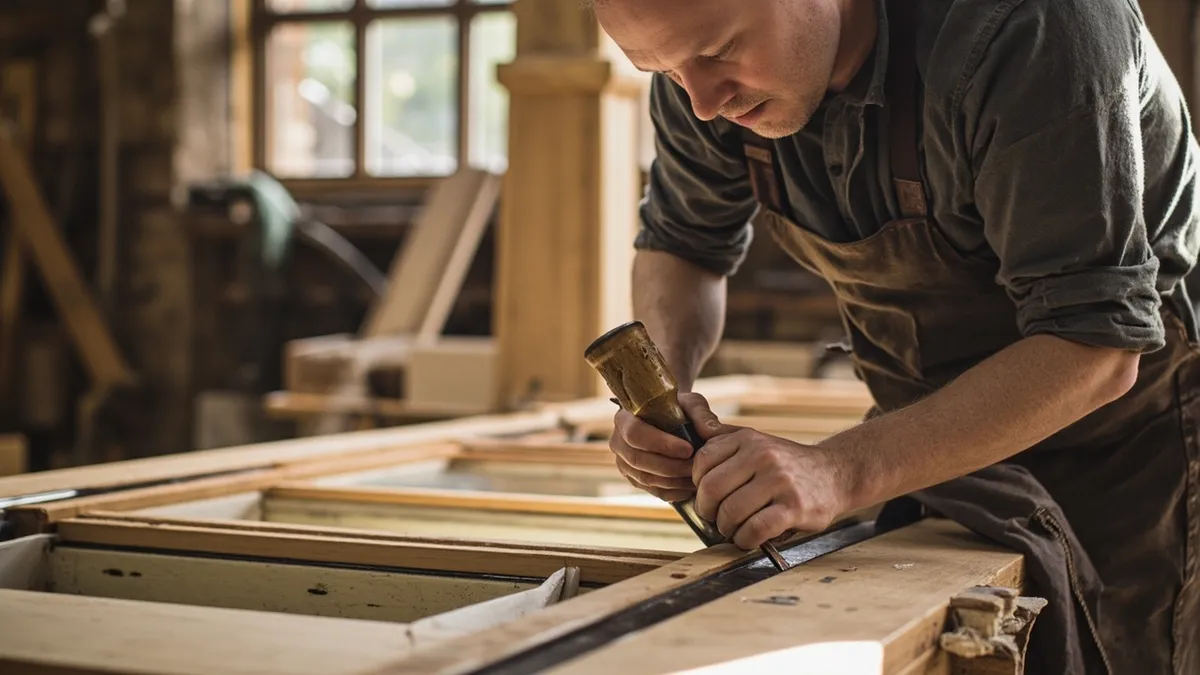
Our workshop rule of thumb: if the joints are tight and most of the timber resists a screwdriver, we repair the sash in place, splicing new timber into rotten cills and bottom rails. If rot has reached several joints of a sash, we make a new sash to the original pattern, including the horn profile, and fit it into the existing box frame. We only replace a box frame when the pulley stiles and cill are too far gone to splice.
Our step-by-step guide on how to restore a sash window shows what full sash window restoration involves, and our repair or replace guide for listed buildings covers the decision in more depth.
On permission: the Planning Portal says you do not usually need planning permission for repairs and maintenance, or for new windows of similar appearance to the originals. It notes that a new bay window is treated as an extension and may need permission, that an Article 4 Direction can withdraw permitted development rights, and that listed buildings need listed building consent for any significant works (Planning Portal, Doors and windows). Many Victorian streets are in conservation areas, so check with your local planning authority or conservation officer before changing any windows.
How to dress Victorian sash windows?
Dress them so the sashes can still open and the frame stays dry.
- Hang curtains from a pole above the architrave, wide enough that the curtains draw clear of the glass.
- Keep fixings out of the box frame. Screws into the linings or pulley stiles can foul the weights and cords inside.
- Use and repair original shutters. Many Victorian houses have folding internal shutters in the reveals. They are often painted shut but can usually be freed and eased.
- Leave the top sash free. Blinds fitted inside the frame should not stop the upper sash sliding down for ventilation.
When repainting, SPAB advises painting only very slightly onto the glass, otherwise the glazing beads look too wide, and keeping sash cords free of paint (SPAB).
How do you look after Victorian sash windows?
Keep the paint sound and the sashes moving. SPAB notes that sash windows are mostly softwood, so regular painting protects them against decay. Check cills, bottom rails and putty each spring and autumn, clear the drip under the cill, and deal with any crack in the paint before winter. Rubbing wax or soap along the sash edges eases a stiff sash, according to SPAB. If you are weighing up a whole house of windows, our guide to what affects sash window restoration cost explains what drives the price. We also work on spa-town villas across North Yorkshire, including Victorian and Edwardian homes in Harrogate.
Get free advice on your Victorian sashes
If your sashes are rattling, stuck or starting to rot, we can tell you what can be saved. Master craftsman Daniel Fitzpatrick, a member of the Guild of Master Craftsmen with over 30 years at the bench, oversees every job from inspection to installation, and advice is free.
Call 01484 666 333, send us photos through our contact page, or read more about our sash window restoration service. We work from Crossley Mills in Honley and cover Holmfirth, Huddersfield and the rest of West and North Yorkshire.
Frequently asked questions
How can I tell if my sash windows are Victorian?
Look for horns below the meeting rail of the upper sash, large panes in a two-over-two or one-over-one pattern, and slightly wavy glass. Georgian sashes usually have many small panes, slim glazing bars and no horns. A house built between 1837 and 1901 with bay windows is a strong clue too.
Why do Victorian sash windows have horns?
Horns strengthen the joints where the stiles meet the meeting rail of the upper sash. Victorian sashes carried larger, heavier panes of plate glass with few or no glazing bars to brace them, so the extra timber helped the joints resist the load. The shape of the horn varies from house to house.
Can Victorian sashes be draught-proofed?
Yes. Draught-proofing usually means fitting new parting beads and staff beads with seals and adjusting the sashes so they meet properly. It cuts draughts and rattles without changing the look of the window. On a listed building, check with your conservation officer before any work that changes the fabric.
Are original Victorian sashes worth keeping?
Almost always. The original timber is often better quality than modern stock, the glass is historic and hard to replace, and faults like rot, broken cords and draughts can all be repaired. Keeping them also protects the character of a period house.