Replace Sash Window Sashes and Keep the Frame: A Guide
By Daniel Fitzpatrick, Master Craftsman · Guild of Master Craftsmen
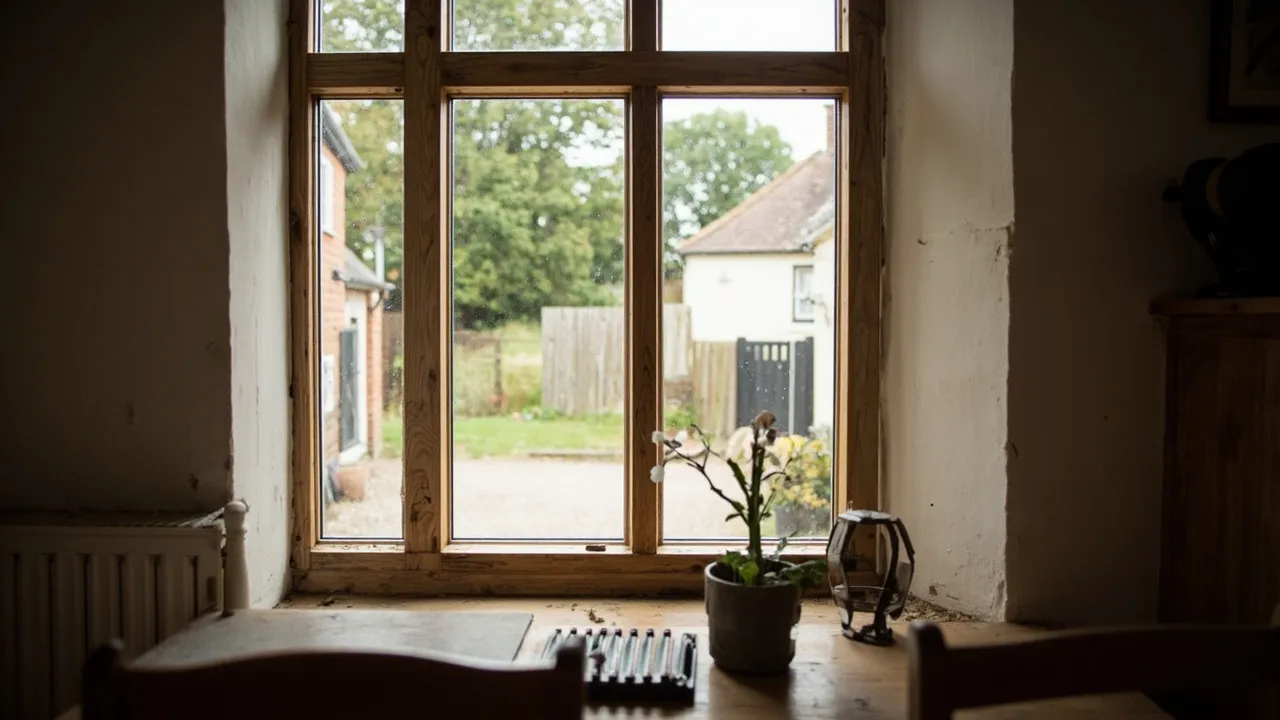
Replace sash window sashes, not the whole window, when the box frame is sound. Yes, you can replace just the sash. A joiner makes a new sash to the original profile and hangs it in the existing frame on the old pulleys and weights with new cords, so the frame and cill stay.
A tired sash window rarely means a whole new window. In our workshop at Crossley Mills in Honley, we make new sashes for period homes across Yorkshire that go straight back into the original frames. This guide explains when the box frame can stay, when a new sash is the right call, and what drives the cost.
Key takeaways
- The box frame and the sashes are separate parts. If the frame is sound, new sashes can be made to fit it, and the frame, linings and cill stay where they are.
- Repair comes first. Rot is often confined to a small area, such as the bottom of a sash, and a joiner can often splice in new timber instead of making a whole new sash.
- A new sash makes sense when both bottom corners and the meeting rail have gone, when joints have failed throughout, or when earlier repairs have left little original timber.
- Replacing only the sashes is treated differently from replacing whole windows for trickle vents, but listed buildings still need consent for significant work. Always check with your local planning authority.
Can you replace just the sash of a window?
Yes. A traditional sash window is two things: a box frame fixed into the wall, and the sashes that slide inside it. The Society for the Protection of Ancient Buildings (SPAB) describes sashes as the opening parts, typically hung on cords or chains and counterbalanced by metal weights housed in a boxed frame (SPAB, Sash window maintenance). The sashes are held in by beads, so they come out without taking the frame out of the wall.
The frame is built into the masonry, so removing it disturbs plaster, stone and the joint to the wall. It also carries the pulleys, weight pockets, linings and cill. So when people ask whether they need to replace sash window frames because the sashes are rotten, the honest answer is usually no. The sash takes the knocks, the wear and the water; most of the frame is sheltered by the wall around it.
How do you know if the box frame can stay?
Before we make new sashes, we check the frame. If the frame has failed, a new sash will not work well in it. Here is the checklist we use on site:
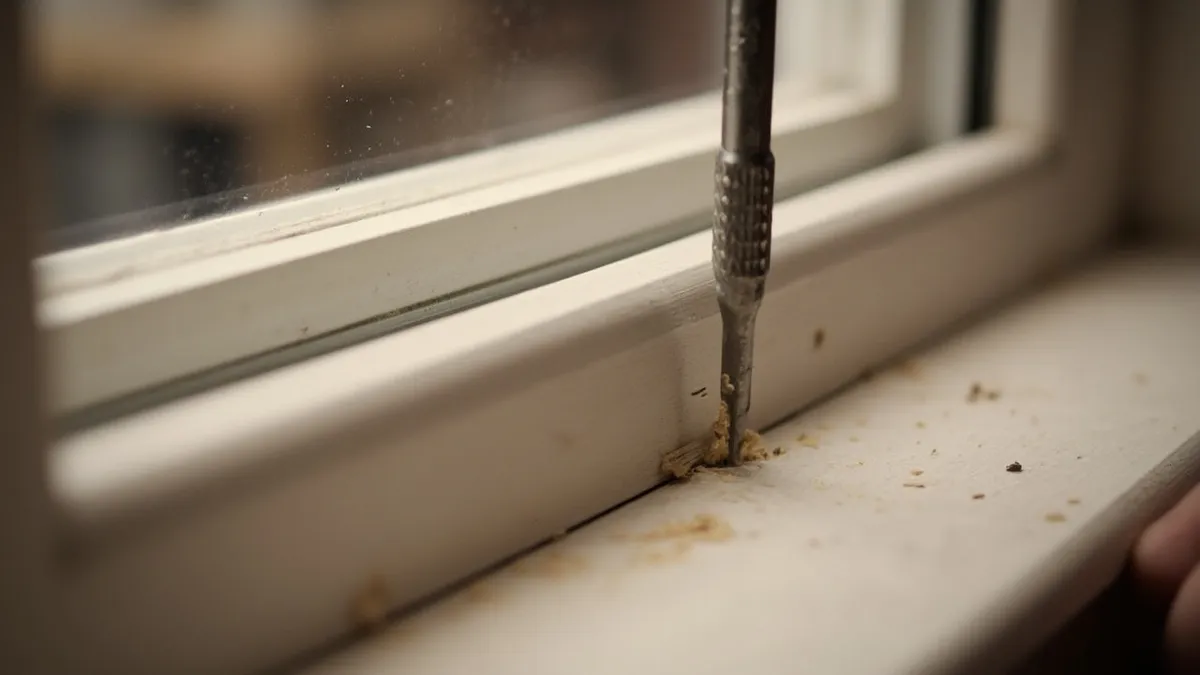
- Probe the cill and the bottom of the pulley stiles. Press a screwdriver into the timber. Sound wood resists. If the cill is soft, it can often be repaired or renewed on its own without taking the whole frame out.
- Check the frame is square. Measure both diagonals of the opening. A frame that has racked badly may point to wall movement rather than a joinery fault. SPAB notes that severe distortion may indicate structural problems such as wall movement or a failed lintel (SPAB, Timber windows).
- Look at the pulleys and weight pockets. Seized pulleys can be freed or replaced.
- Look for a gap above the cill. SPAB warns that a gap there may indicate structural distress requiring other work (SPAB).
If the frame passes these checks, or needs only local repairs, it can stay and take new sashes.
Is it worth repairing sash windows before you replace them?
Usually, yes. SPAB's answer to whether decay or a wish to double glaze is a good reason to replace an old timber window is "usually not". It says existing timber windows can often be repaired and, if necessary, upgraded, and that replacement is the last resort and should be like-for-like in style and materials (SPAB, Timber windows). SPAB also says the timber used historically is superior to that widely available today.
Rot on a sash is usually local. SPAB notes that commonly only a small area is affected, such as the bottom of the window where there is wet rot, and gives the example of renewing the decayed end of a bottom rail complete with its tenon (SPAB). A sash in poor working order is not a reason to replace it either: SPAB lists overhaul work such as replacing cords, patch repairing worn stiles, renewing beads and adjusting weights. Our guide on how to restore a sash window walks through that work, and our guide to repair or replace for sash windows in a listed building covers the decision for protected homes.
When should you replace sash window sashes instead of repairing them?
Our rule of thumb in the workshop is simple. If the decay is in one corner or along part of one rail, we repair. If it has reached both bottom joints and the meeting rail, or earlier filler repairs have left more filler than timber, we recommend a new sash made to the original profile.
Other signs that a new sash is the better call:
- The joints have opened throughout and the sash has dropped out of square.
- Glazing bars are split or broken in several places.
- A previous owner fitted a sash that does not match the others, and you want the original pattern back.
Even then, it is often only the bottom sash that needs replacing, because its bottom rail sits on the cill, where water collects.
| Condition of the sash | What we usually recommend | What stays |
|---|---|---|
| Sticking, rattling, broken cords, paint build-up | Overhaul and draught-proof | Everything |
| Soft patch at one bottom corner | Cut out and splice in new timber | Sash, glass, frame |
| Bottom rail rotten end to end | New bottom rail jointed into the old stiles | Most of the sash, glass, frame |
| Both bottom joints, meeting rail and glazing bars failed | New sash made to the original profile | Frame, linings, cill, pulleys, weights, often the old glass |
| Frame racked, cill and pulley stiles decayed | Frame survey first; repair frame, then decide on sashes | As much as the survey allows |
How is a new sash made to match the original?
This is bench joinery: making one component by hand to fit an existing opening, not ordering a standard size. The steps are:
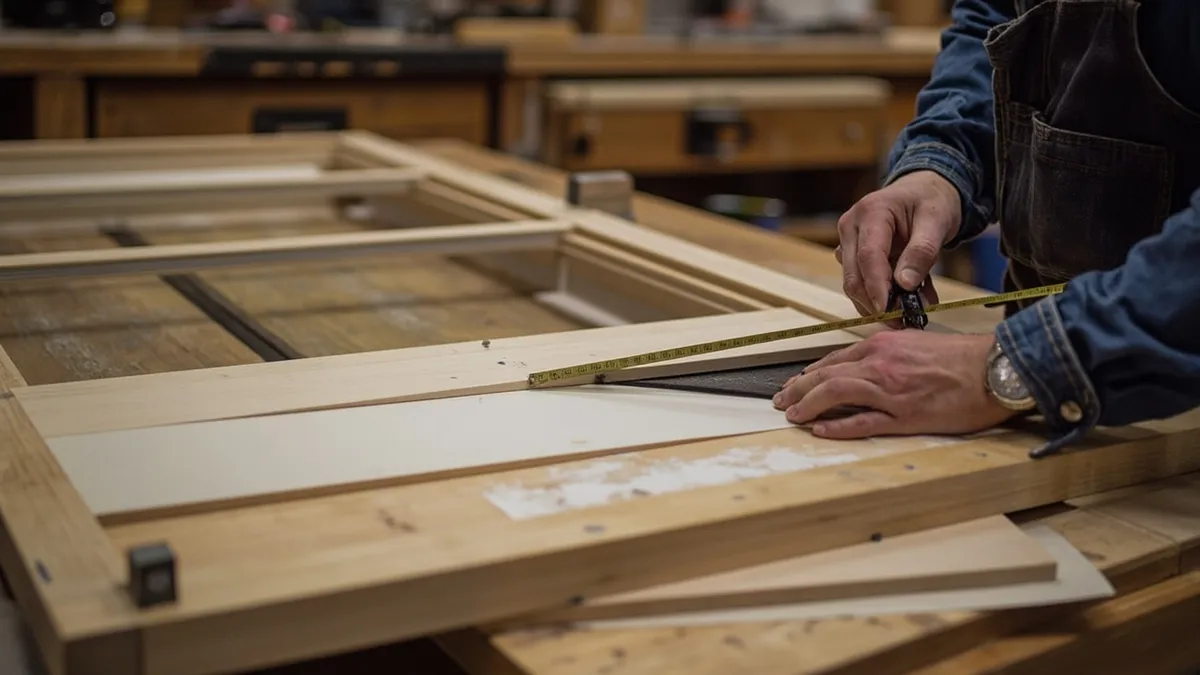
- Survey and record. We measure the opening in the frame, the thickness of the old sash, and the width of the stiles, rails and glazing bars. SPAB advises protecting old glass and ironmongery during any work, so we take the old sash out with care.
- Copy the mouldings. We take the profile of the glazing bars and the inside moulding from the old sash, including the horn shape if it has horns. Richmond Council's conservation guidance lists opening type, glazing bar pattern, horns to sashes and depth among the things to consider when windows are replaced (Richmond Council, Conservation areas FAQ).
- Choose the timber. New timber should be durable and well seasoned. SPAB notes that new timber of low natural durability should be double vacuum treated (SPAB).
- Make and fit. The sash is cut, jointed and glued at the bench, then trial-fitted in the frame and eased so it runs freely.
- Glaze and re-weight. Old glass is reused where it survives. The weights are then checked against the new sash. SPAB says the weights must be correctly sized, otherwise sashes rise and drop by their own accord (SPAB).
- Cord, bead and paint. New cords go on, beads are refitted, and the sash is primed and painted on all faces.
How much does it cost to replace sash windows or just the sashes?
We cannot give a fair price without seeing the window, so we do not publish one here. The window sash replacement cost depends on a few things you can check yourself:
- Size and glazing pattern. A sash with many small panes has more joints and glazing bars to make than a single pane.
- Mouldings and horns. Matching an unusual profile takes longer than a plain one.
- Glass. Saving and refitting old glass takes care; replacement glass is a separate cost.
- The frame. Pulley, cill or lining repairs add to the job.
What we can say is how the options compare. A like-for-like replacement sash window cost is usually lower than a full new window, because the frame, linings, cill and the making good around the wall are all left alone. A repair is often lower again. SPAB notes that lower long-term costs favour keeping old timber windows (SPAB), and Richmond Council describes retaining and repairing original windows as often a more inexpensive solution than complete replacement (Richmond Council). For the full breakdown, see our guide to what affects the cost of sash window restoration.
Can I replace my original sash windows with double-glazed windows?
Sometimes, but think carefully before you replace sash window glass or sashes for thermal reasons alone. Richmond Council's conservation guidance says double and triple glazing can be inserted into timber frames while keeping a consistent appearance (Richmond Council). Local rules differ, so check with your own council.
There are practical points too. A sealed unit is heavier and thicker than old single glass, so the sash section, glazing bars and weights all have to suit it. SPAB's view is that historic sash windows, including their glass, should almost always be retained, not replaced (SPAB). Richmond Council encourages secondary glazing as an unobtrusive option. Good draught-proofing plus secondary glazing on the inside is often the gentler route. We do not install glazing units ourselves, but slim glazing can be added to new sashes, and we can advise on what suits your windows. Our article on secondary glazing in listed buildings explains the options.
Do you need permission to replace sash window sashes?
It depends on the building. The Planning Portal says you do not usually need planning permission for repairs and maintenance, or for new windows of similar appearance to those used in the construction of the house. It also says a listed building needs listed building consent for any significant works, that designated areas such as conservation areas may have extra restrictions, and that an Article 4 Direction can withdraw permitted development rights (Planning Portal, Doors and windows).
Building Regulations are a separate question. Richmond Council's guidance explains that Part F made trickle vents mandatory for complete replacement windows in England from 15 June 2022, but that it does not apply where only the sashes are replaced and the sash boxes are left in place. It adds that if your existing windows already have trickle vents, replacements need them too (Richmond Council).
Treat all of this as a starting point. Check with your local planning authority or conservation officer, and with building control for Building Regulations, before work starts, and see our guide to listed building consent for timber repairs.
Why new sashes suit so many Yorkshire houses
Much of the older housing around Huddersfield and the Holme Valley in West Yorkshire is stone-built Victorian terraces and mill buildings. Taking a frame out means disturbing the stonework and plaster around it. Keeping the frame and making new sashes avoids that.
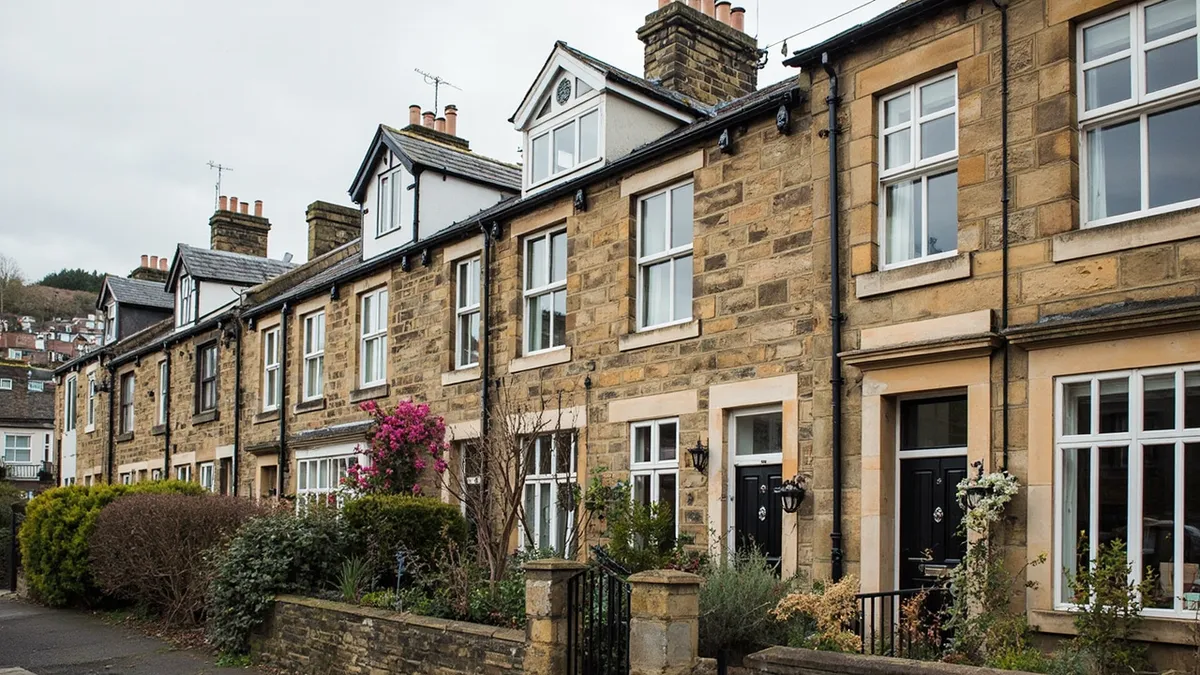
In the wet, exposed Pennine country of the Colne and Holme valleys, bottom rails on the weather side take a beating, so a sound frame holding a rotten bottom sash is a common combination. The weavers' cottages around Holmfirth, Honley and Marsden show why matching matters: their long rows of mullioned windows look right only when every opening matches, so any new part should be made to the old profile.
Get free advice on replacing a sash
If you have a rotten sash in a sound frame, we can tell you whether it can be repaired or needs a new sash, and what the frame needs. Master craftsman Daniel Fitzpatrick, a Guild of Master Craftsmen member with over 30 years at the bench, oversees every job from inspection to installation, and there is no charge for advice.
Call 01484 666 333, get in touch through our contact page, or read more about our bench joinery for new sashes and window parts. We work from Crossley Mills in Honley and cover towns across West and North Yorkshire, including Holmfirth, Huddersfield, Leeds, Harrogate and York.
Frequently asked questions
Can you replace just the bottom sash of a window?
Yes. Each sash is a separate part held in by beads and hung on its own cords and weights. If only the bottom sash has rotted, which is common because its bottom rail sits on the cill, a new bottom sash can be made to match the top one and the old frame. The top sash can stay untouched.
Do new sashes fit old frames?
They do when they are made for the frame, not bought as a standard size. Old frames vary, even on one house, so we measure each opening, copy the profiles from the old sash, and trial-fit the new sash before glazing. The weights are then checked so the sash stays where you leave it.
Is it cheaper to replace sash window sashes than the whole window?
Usually, yes. Replacing only the sashes leaves the frame, linings, cill and the surrounding wall alone, so there is less joinery and no making good to the masonry. A repair is usually cheaper again. The exact difference depends on the size, pattern and condition of the frame.