Sash Window Locks: How to Secure Period Windows
By Daniel Fitzpatrick, Master Craftsman · Guild of Master Craftsmen
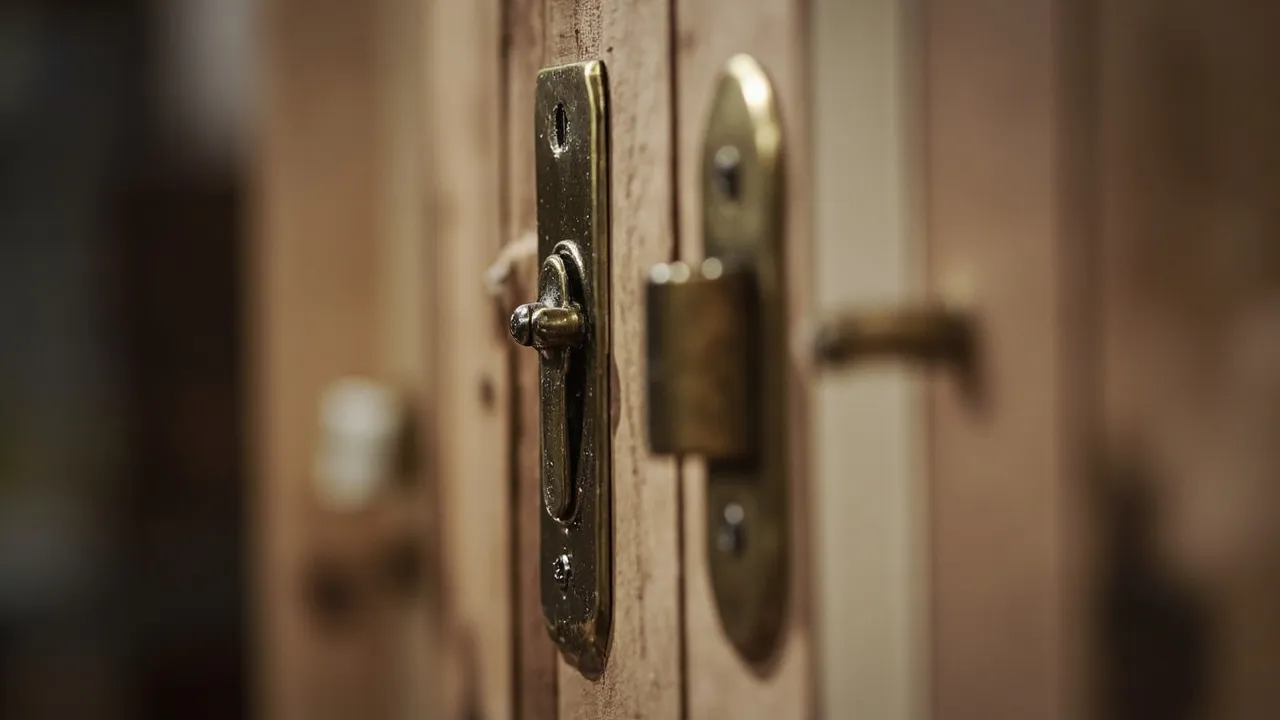
Sash window locks work best as a layered set: a meeting-rail fastener to pull the sashes together, sash stops or dual screws to stop them being forced, and a restrictor where children are about. None of them work well if the sashes rattle, so repair comes first.
Many period homes in Yorkshire still have their original fasteners, and these often do less than owners think. In our workshop at Crossley Mills in Honley, we restore timber sash windows, and security is a common question from owners. This guide explains the types of sash window lock, how to secure an old sash window without spoiling it, and what to check if your house is listed.
Key takeaways
- A traditional meeting-rail fastener holds the sashes closed and pulls them tight, but on its own it is a light-duty catch rather than a true lock.
- Sash stops, dual screws and sash bolts stop the sashes sliding past each other, which is a common weakness of sash windows.
- Sash window locks only work when the sashes meet properly. Loose, worn or warped sashes need repair before any new hardware goes on.
- In a listed building, keep original fittings, choose discreet additions and check with your conservation officer before you drill.
How do sash window fasteners work?
A hung sash window typically has two sashes that can move up and down in the frame (Wikipedia, Sash window). Where the bottom rail of the top sash meets the top rail of the bottom sash is the meeting rail. That is where the fastener sits.
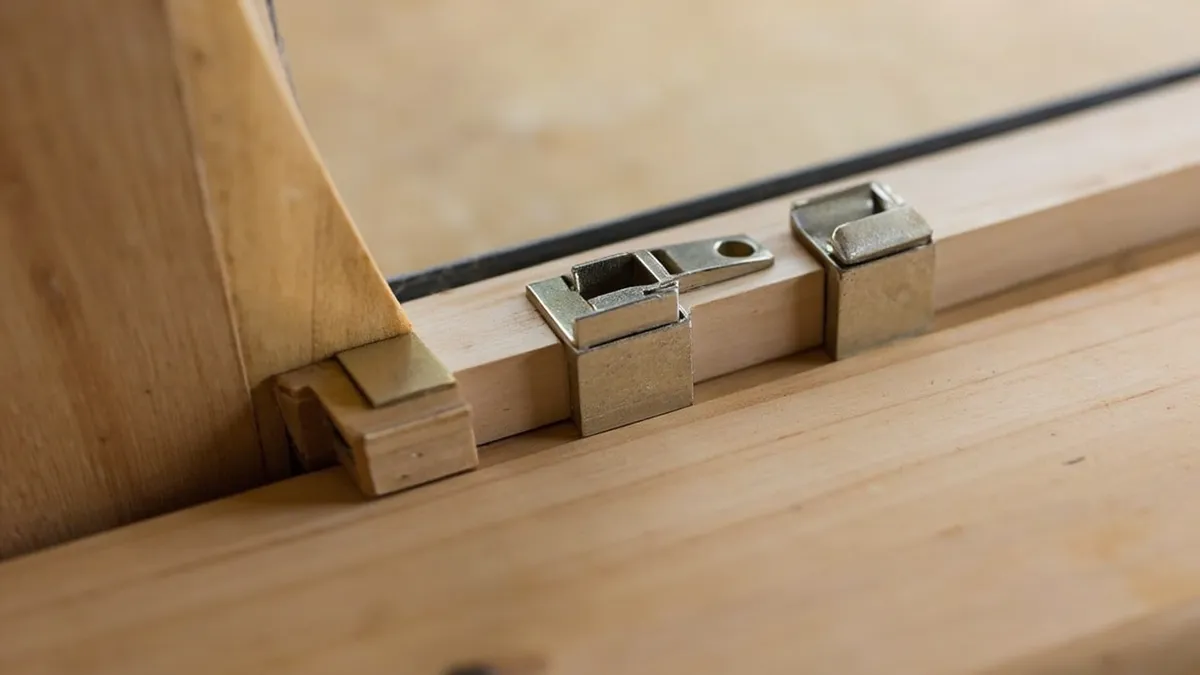
The common traditional fastener has two parts. A keep is screwed to the top sash and an arm or lever on the bottom sash swings across into it. Many patterns, such as the cam and the quadrant arm, use a curved or angled profile so that turning the arm draws the two meeting rails together and presses them down into the frame. That pulling action is useful: it closes the gap at the meeting rail, cuts draughts and stops the sashes rattling in the wind.
What a fastener does not do well is resist force. On an old window the screws often sit in tired timber, and a blade pushed up between the meeting rails can sometimes flick a worn arm open. That is why we think of the fastener as the first layer of security, not the whole answer.
What are the different types of window locks for sash windows?
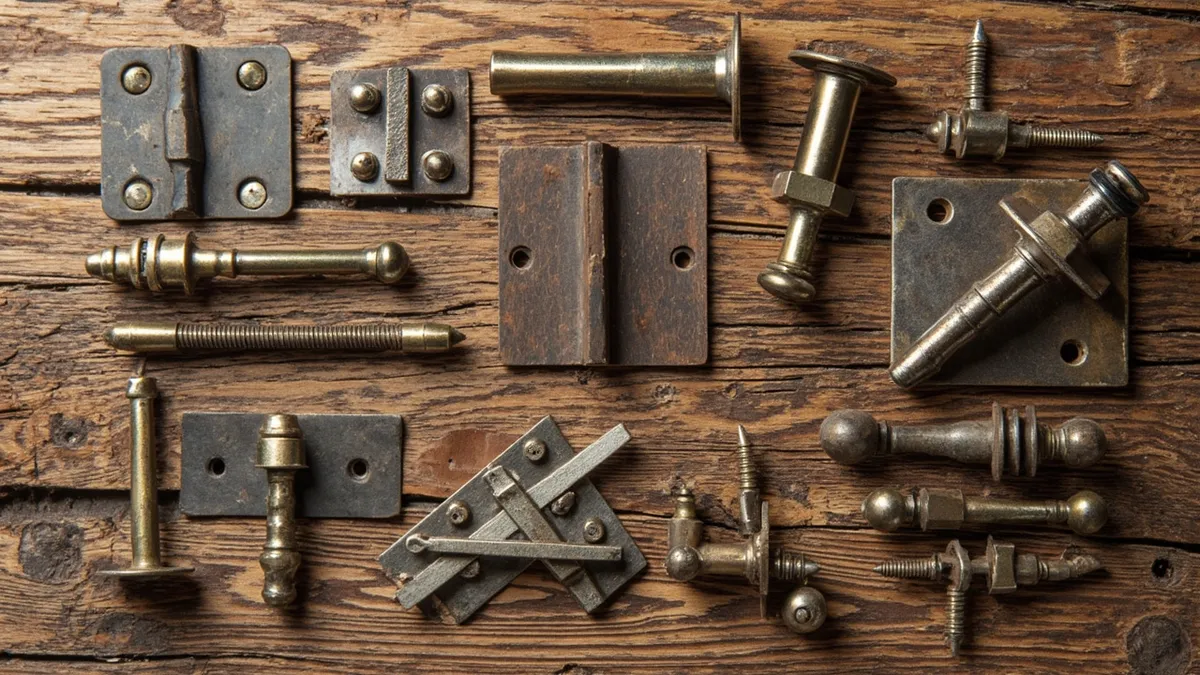
There is no single best lock. Each type deals with a different weakness, and most period windows end up with two of them working together. The table below sets out the generic types of sash window lock we fit and refit in the workshop.
| Type | Where it fits | What it does | Things to know |
|---|---|---|---|
| Meeting-rail fastener (cam, quadrant or arm type) | On top of the meeting rails | Holds the sashes shut and pulls them tight together | Often original; lockable versions exist. Light duty on its own. |
| Sash stop | Into the top sash or the frame, above the bottom sash | Limits how far the bottom sash can open | Lets you leave a ventilation gap that cannot be widened from outside. |
| Dual screw | Through both meeting rails | Bolts the two sashes together so they cannot slide | Needs a key to turn; very discreet once fitted. |
| Sash bolt or rack bolt | Through the meeting rail or into the frame | Locks a sash to the other sash or to the frame | Strong, but needs sound timber to bore into. |
| Window restrictor | On the frame or sash | Stops the window opening beyond a set point | Mainly for child safety on upper floors; can usually be released by an adult. |
Sash stops
A sash stop is a small fitting, often a screw-in stud or a sprung plunger, that sits in the path of the bottom sash. With it in place, the sash can open a short way for air but no further. We like them for bedrooms and street-facing rooms because they let a house breathe without leaving a window unlocked.
Dual screws and sash bolts
A dual screw passes through the meeting rail of the bottom sash into the top sash. Once tightened with its key, the two sashes behave as one and cannot slide past each other. Sash bolts do a similar job with a bolt rather than a threaded screw. Both are small and sit almost out of sight, which makes them a sensible choice on older windows.
Restrictors
Restrictors are mainly about safety rather than security. On upper-floor windows in a family home, they let a sash open far enough for ventilation but not far enough for a child to climb out. Make sure any restrictor can be released quickly by an adult, and think about which windows may be needed as a way out in an emergency.
How do you secure an old sash window?
Securing an old sash window is mostly about getting the window right, then adding the right hardware. This is the order we work in:

- Check the sashes meet. Close the window and look at the meeting rails. They should line up and touch along their length. Gaps, a step between them or a lot of rattle mean the window needs attention first.
- Check the timber. Press a screwdriver into the meeting rails and the stiles where fittings will go. Soft or crumbling wood will not hold a screw, let alone a bolt.
- Check the cords and weights. A sash that drops or sticks will not sit in the right place for a lock. Broken cords are a common cause.
- Refit or repair the existing fastener. Re-screw it into sound timber, adjust the keep so the arm pulls the rails tight, and keep the original if you can.
- Add a second layer. Fit sash stops or dual screws so the sashes cannot be forced past each other.
- Think about keys. Keep keys near the window but out of reach from outside, and make sure everyone in the house knows where they are.
If a window fails the first three checks, new sash window locks will not fix it. You will be screwing new metal into a loose window. Our guide to sash window cords and weights explains the balance side, and our step-by-step guide on how to restore a sash window covers the wider repair.
Why do sash window locks fail on loose windows?
Most lock problems we see are really window problems. Over a century or more, the beads that hold the sashes wear, the sashes shrink or swell, and the meeting rails drift out of line. A fastener that once pulled the rails tightly together now closes with a gap, or will not close at all. Owners then add a heavier lock, and the screws pull out of soft timber the first time anyone leans on it.
When the sashes are eased, the beads adjusted or replaced, and any rot at the meeting rails spliced out, even a simple traditional fastener feels solid again. That is also the point where window sash locks such as dual screws can be bored in cleanly, because the two rails sit exactly where they should. Through our sash window restoration service we can deal with the fit and the fittings together, so the hardware goes onto a window that is ready for it.
Draught proofing helps here too. Brush seals in the beads and meeting rails take up small gaps and stop the sashes rattling. Our sash window draught proofing work can be done alongside new locks, because both depend on the sashes fitting well.
Can you fit locks to sash windows in a listed building?
Usually, yes, but with care. Under section 7 of the Planning (Listed Buildings and Conservation Areas) Act 1990, no person shall execute or cause to be executed any works for the demolition of a listed building or for its alteration or extension in any manner which would affect its character as a building of special architectural or historic interest unless the works are authorised (legislation.gov.uk, section 7). Whether a small lock counts depends on the building and the fitting, so the answer must come from your local planning authority.
In practice, conservation officers tend to be most concerned about removing original ironmongery, cutting into historic glazing bars or meeting rails, and fitting bulky modern hardware that changes how the window looks. Our approach in listed houses is simple:
- Keep the original fastener, even if it needs re-screwing or a new keep made.
- Choose small, discreet additions such as dual screws or sash stops that are hard to see from inside or outside.
- Fix into sound timber that has been repaired, not into areas of old filler.
- Talk to the conservation officer before drilling, and keep a note of what was agreed.
For more on what needs consent, see our guide to listed building consent for timber repairs.
What do Yorkshire period windows need from a lock?
The windows we see around Huddersfield and the Holme Valley take a lot of weather. Wet, exposed Pennine conditions in the Colne and Holme valleys swell timber in winter and dry it in summer, so sashes in stone-built Victorian terraces and mill buildings move more than you might expect. A lock that is fitted tight in August can bind by November.
Weavers' cottages around Holmfirth, Honley and Marsden have long rows of mullioned windows, some with sliding or small hinged lights rather than tall sashes. Those need fittings scaled to small, slender timbers. In Georgian and listed buildings in York and Wakefield, the priority is usually keeping original ironmongery and adding as little as possible. Harrogate's Victorian and Edwardian villas often have large sashes where a good fastener plus sash stops does most of the work. If you are near us, our pages for sash work in Holmfirth and joinery in Huddersfield show the local buildings we work on.
What is our rule of thumb for sash window locks?
Our rule of thumb is "fit, then fasten, then lock". If the meeting rails do not meet cleanly when the window is shut, we fix the fit first. Then we make the original fastener pull the sashes tight. Only then do we add a second layer of sash window locks, usually sash stops on windows people like to leave open and dual screws on windows that stay shut.
We recommend at least two layers on ground-floor and easy-to-reach windows, and a restrictor on upper windows in rooms used by small children. We do not recommend fitting heavy surface bolts to slender Georgian sashes; the timber is too thin to hold them and the look is wrong. For anything more than this, such as advice for an insurer, ask your insurer what they require in writing rather than assuming a standard.
Can you keep the original fastener and still be secure?
Yes, in most cases. Original cast brass or iron fasteners are part of the character of a period window, and many are well made. When the screws are reset in sound timber and the keep is adjusted, the fastener pulls the rails tight again. Adding a discreet dual screw or sash stop alongside gives you the security without losing the original. If a fastener is missing, we can advise on a period-appropriate pattern rather than a modern catch, and on reusing reclaimed fittings where they suit.
If the window has other problems, such as rot, broken glass or failed putty, our guide on whether to replace just the sash helps you decide what to repair and what to renew.
Want your sash windows checked and secured?
Daniel Fitzpatrick, our master craftsman, is a member of the Guild of Master Craftsmen with over 30 years' experience, and he oversees every job from inspection to installation. We repair sashes, refit original fasteners and add discreet sash window locks for period homes across Yorkshire.
Advice is free. Call us on 01484 666 333, send us a message, or read about our sash window restoration in Yorkshire. Workshop visits at Crossley Mills, Honley are by appointment.
Frequently asked questions
What is the most secure type of sash window lock?
No single fitting does everything. A sound fastener that pulls the meeting rails tight, combined with dual screws or sash bolts that stop the sashes sliding, gives far better security than any one lock. The window itself must fit well, because a lock on a loose sash is easy to defeat.
Can I fit sash window locks myself?
Simple sash stops and a re-screwed fastener are within reach of a careful DIYer. Dual screws need accurate boring through both meeting rails, and mistakes can split old timber or hit glass. If the sashes rattle, do not meet, or the house is listed, get the window looked at first.
Do sash stops let me leave the window open safely?
They let you leave a small gap for ventilation while stopping the bottom sash being pushed further open. That makes them useful on bedrooms and street-facing windows. They still need sound timber to fix into, and they are not a substitute for locking the window when the house is empty.
Will new locks stop my sash windows rattling?
A good meeting-rail fastener reduces rattle by pulling the sashes together, but most rattling comes from worn beads and gaps around the sashes. Adjusting the beads and adding draught proofing brushes usually cures it. Fit locks after that, so they line up with the sashes in their correct position.